Golden Retriever Breed Guide: Facts, Tips & Health
Discover why the Golden Retriever remains one of Britain's most beloved gundogs, famed for its gentle Scottish heritage and remarkable versatility as a family companion.
By By PetNetUK ·
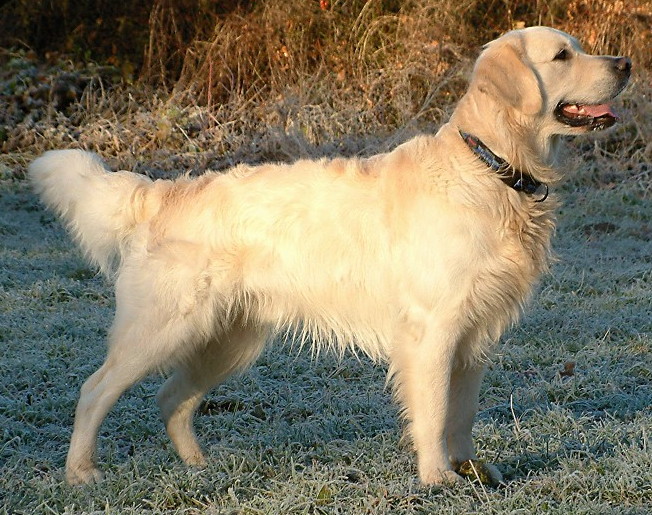
About the Golden Retriever
The Golden Retriever is a quintessentially British breed with its origins firmly rooted in the Scottish Highlands. Developed in the mid-19th century by Dudley Marjoribanks, the first Baron Tweedmouth, the breed was carefully crafted to create the ultimate gundog capable of retrieving game from both water and rugged terrain. By crossing the now-extinct Tweed Water Spaniel with the Yellow Retriever, Lord Tweedmouth established a lineage known for its exceptional scenting ability and soft mouth.
Characterised by a striking golden coat and a famously gentle expression, this medium-large breed is defined by its affectionate nature. While they were originally bred for the field, their intelligence and biddable temperament have seen them excel in a variety of modern roles. Today, you will find Golden Retrievers working as diligent guide dogs, search and rescue professionals, and successful competitors in obedience and agility trials across the United Kingdom.
Despite their working prowess, the Golden Retriever is perhaps most cherished as a family companion. They are renowned for being exceptionally patient with children and social with other pets. According to Kennel Club standards, the breed should be symmetrical, active, and powerful, displaying a kindly expression that hints at their desire to please. It is important to note that for official registration, these dogs are still subject to the successful completion of a working trial, honoring their heritage as capable gundogs.
Quick Facts
* Kennel Club Group: Gundog
* Size: Medium to Large
* Height: 51–61 cm at the withers
* Weight: 25–34 kg
* Lifespan: 10–12 years
* Coat Type: Flat or wavy with good feathering and a dense, water-resistant undercoat
* Colours: Any shade of gold or cream; neither red nor mahogany are recognised
* Temperament: Kind, friendly, and confident
Training & Care Tips
Training a Golden Retriever is often an enjoyable experience due to their high intelligence and eagerness to please. They respond best to positive reinforcement techniques such as praise, play, and high-value treats. Harsh methods are counterproductive for this sensitive breed. Early socialisation is vital to ensure they grow into well-adjusted adults, particularly given their size and strength when fully grown.
As members of the Gundog group, they require a significant amount of daily exercise to remain healthy and settled. A bored Golden Retriever can become destructive or prone to excessive barking. Owners should aim for at least two hours of active exercise per day, which should include opportunities for swimming and retrieving, as these activities tap into their natural instincts. Mental stimulation is equally important; puzzle feeders and scent work will keep their sharp minds occupied.
Grooming is a consistent requirement for this breed. Their dense double coat sheds throughout the year, with a more heavy 'blow' during the change of seasons. Daily brushing is recommended to manage shedding and prevent matting, particularly in the longer feathers on the legs and tail. Regular ear cleaning is also essential, as their floppy ears can trap moisture, making them prone to infections after swimming.
Puppy Tips
When bringing a Golden Retriever puppy home, it is essential to source from a Kennel Club Assured Breeder. This ensures that the parents have undergone relevant health screening and that the puppies have been raised in a suitable environment. In the early weeks, focus on gentle handling and exposing the puppy to the various sights and sounds of a typical British household, from vacuum cleaners to passing delivery vehicles.
Be mindful of their growing joints during the first year. While they are energetic, over-exercising a puppy can lead to long-term skeletal issues. A common rule of thumb is five minutes of formal exercise per month of age, twice a day. Provide plenty of chew toys, as Golden puppies are notoriously 'mouthy' and will explore the world with their teeth. Teaching a 'drop' command early on will save many a slipper or remote control.
Health
Like many pedigree breeds, Golden Retrievers are predisposed to certain hereditary conditions. Responsible breeders will use the British Veterinary Association (BVA) and Kennel Club health schemes to screen their breeding stock. Prospective owners should always ask to see certificates for hip and elbow scores, as well as recent eye certificates. Lower scores for hips and elbows indicate a lower risk of dysplasia, which is a common concern in larger breeds.
The breed is also known to have a higher-than-average incidence of certain cancers, so regular veterinary check-ups are paramount. Additionally, Golden Retrievers are highly food-motivated and can easily become overweight. Obesity puts unnecessary strain on their joints and can lead to secondary health issues, so monitoring their caloric intake and maintaining a lean body condition is a core part of their care.
Other conditions to be aware of include Progressive Retinal Atrophy (PRA) and certain heart conditions like Subaortic Stenosis. Maintaining a relationship with a trusted vet and keeping up to date with vaccinations and parasite control will help ensure your Golden lives a full and healthy life.
Advice for Owners
Owning a Golden Retriever is a long-term commitment that brings immense rewards. They thrive on human companionship and do not cope well if left alone for long periods. If your household is empty for most of the working day, this may not be the breed for you. They are truly 'people dogs' and will want to follow you from room to room, often carrying a 'trophy' such as a sock or a toy in their mouths to greet you.
Potential owners should be prepared for a bit of a mess. Between the mud they bring in from walks and the constant shedding of golden hair, your home will rarely be pristine. However, most owners find this a small price to pay for the loyalty and joy the breed provides. They are adaptable dogs that can live in various environments, provided they receive enough outdoor time, but a house with a secure garden is ideal.
Finally, remember that the Golden Retriever remains a gundog at heart. Engaging in activities that mimic their original purpose, such as field trials or working tests, can be a fantastic way to bond with your dog. Whether they are a high-level competitor or a sofa-loving companion, their primary goal is to be by your side, making them one of the most fulfilling breeds to own in the UK today.
---
Disclaimer
The information in this breed guide is compiled from multiple professional sources, including The Kennel Club, veterinary references, and breed-specific organisations. It is intended for general educational purposes only and is not a substitute for advice from a qualified veterinarian or accredited breeder. Always consult a professional regarding your individual dog's health, training, and care needs.