Jack Russell Terrier Breed Guide: Facts, Tips & Health
Discover the feisty and energetic Jack Russell Terrier, a quintessential British breed known for its clever personality and boundless stamina. Perfect for active UK households.
By By PetNetUK ·
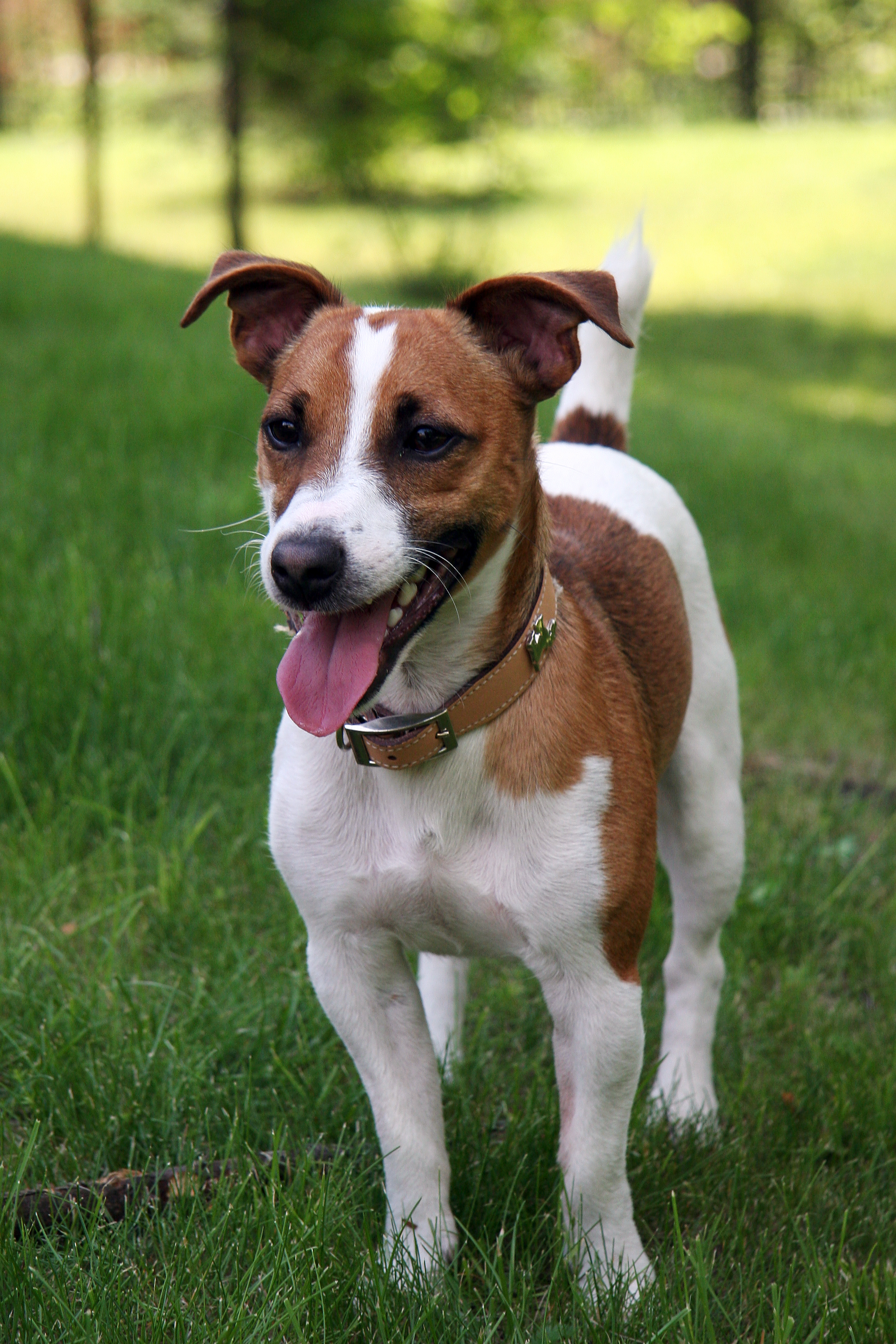
About the Jack Russell Terrier
The Jack Russell Terrier is perhaps the most iconic representative of the British terrier group. Originating in the early 19th century through the breeding efforts of the Reverend John Russell, these dogs were specifically designed as working terriers capable of following hounds and bolting foxes from their dens. Today, while they remain capable workers, they are widely cherished as spirited, loyal, and incredibly intelligent companions.
Physically, the Jack Russell is a small but robust dog, generally standing between 25 and 30cm at the withers. They are principally white-bodied, a trait originally intended to help hunters distinguish them from the quarry they pursued. Their coats can be found in three distinct varieties: smooth, rough, or broken. Regardless of the texture, their coats are dense and weather-resistant, usually featuring tan, black, or lemon markings. Their alert expression and keen, dark eyes hint at a dog that is always one step ahead of its owner.
Temperamentally, these dogs are the definition of 'big personalities in small packages'. They possess a high level of self-confidence and an adventurous spirit that requires a dedicated owner. While they are affectionate with their families, they are also independent thinkers who require mental stimulation to prevent boredom-induced mischief. A Jack Russell does not see itself as a lapdog; it sees itself as a partner in whatever activity is on the day's agenda.
Quick Facts
* Kennel Club Group: Terrier
* Lifespan: 12 to 16 years
* Coat Type: Smooth, broken, or rough (all require minimal grooming)
* Typical Weight: 5.5kg to 8kg
* Exercise Needs: High (at least 60-90 minutes daily)
* Temperament: Bold, energetic, and intelligent
* Ideal Living Space: Houses with secure gardens, though adaptable to flat living if exercised heavily
Training & Care Tips
Training a Jack Russell requires patience, consistency, and a good sense of humour. Because they are highly intelligent, they learn new commands very quickly, but they also possess a strong streak of independence. It is vital to use positive reinforcement methods; harsh corrections will likely result in the dog becoming stubborn or anxious. Focus on short, engaging training sessions that keep them wondering what is coming next. If you make training a game, you will find they are eager to please.
Recall training is one of the most important aspects of Jack Russell ownership. Given their incredibly high prey drive, they are prone to chasing anything that moves, from a squirrel in the park to a neighbour's cat. It is often recommended to keep them on a lead in unenclosed public areas unless you have achieved a rock-solid recall. Scent work and agility training are excellent ways to channel their natural instincts and high energy levels into productive activities.
Socialisation is equally critical. From a young age, expose your terrier to various sights, sounds, and other dogs to discourage the 'scrappiness' that some terriers can display. In terms of physical care, they are relatively low-maintenance. A weekly brush for smooth coats, or occasional hand-stripping for rough and broken coats, will keep them looking their best. Regular nail trimming and dental checks are also essential parts of their routine care.
Puppy Tips
When bringing a Jack Russell puppy into your home, the first priority is 'puppy-proofing'. This breed is notoriously curious and can find their way into small gaps or chew through items you might assume are out of reach. Ensure your garden is completely secure, as Jack Russells are capable diggers and surprisingly high jumpers. Check for any gaps in fences or gates that a small puppy could squeeze through.
Early crate training can be a godsend for this breed. It provides them with a safe 'den' where they can relax and helps significantly with house training. Puppies have a lot of nervous energy, so providing a variety of chew toys will help soothe their gums and keep them occupied. Avoid giving them old shoes or clothes to play with, as they will not be able to distinguish between 'rubbish' and your favourite pair of trainers later in life.
Enrolling in a puppy foundation class is highly encouraged. Not only does this help with basic obedience, but it allows your puppy to interact with dogs of different breeds and sizes in a controlled environment. Remember that the Jack Russell is a bold breed; they need to learn boundaries at an early age to ensure they grow into well-adjusted adults who respect their owners' leadership.
Health
Jack Russells are generally known for their hardiness and long lifespan. Like all breeds, however, they can be predisposed to certain hereditary conditions. Responsible breeders will screen their stock for common issues such as Patellar Luxation (sliding kneecaps) and certain eye conditions like Primary Lens Luxation (PLL) and Cataracts. Buying from a Kennel Club Assured Breeder ensures that these health tests have been prioritised.
Maintaining a healthy weight is crucial for this breed. Because they are small, even a few hundred grams of extra weight can put significant strain on their joints and cardiovascular system. It is easy to overfeed them due to their persuasive 'begging' faces, but it is important to stick to a high-quality, measured diet. Regular veterinary check-ups will help you keep track of their weight and general wellbeing as they transition from their energetic youth into their more sedentary senior years.
Advice for Owners
The most successful Jack Russell owners are those who match the dog's energy. If you are looking for a dog that will sit quietly on the sofa all day, this is likely not the breed for you. However, if you enjoy long walks, hiking, or even running, a Jack Russell will be your most enthusiastic companion. They thrive in environments where they are treated as an integral part of the family group and given tasks to perform.
Finally, be prepared for their vocal nature. Jack Russells were bred to use their voices to alert hunters, and they will naturally 'speak' to let you know if someone is at the door or if they have spotted a bird in the garden. While you can train them to limit their barking, you should accept that communication is part of their DNA. For the right owner, the Jack Russell Terrier is a life-changing companion, offering unmatched loyalty, endless entertainment, and a very large heart.
---
Disclaimer
The information in this breed guide is compiled from multiple professional sources, including The Kennel Club, veterinary references, and breed-specific organisations. It is intended for general educational purposes only and is not a substitute for advice from a qualified veterinarian or accredited breeder. Always consult a professional regarding your individual dog's health, training, and care needs.