Coton de Tulear Breed Guide: Facts, Tips & Health
Discover the charming Coton de Tulear, Madagascar's famous 'cotton dog'. This fluffy toy breed is renowned for its affectionate nature and distinctive cloud-like coat.
By By PetNetUK ·
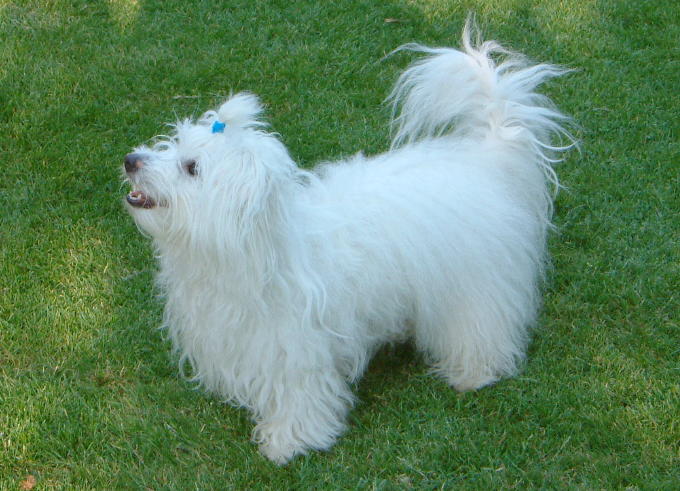
About the Coton de Tulear
The Coton de Tulear is a delightful member of the Kennel Club's Toy group, cherished for its cheerful disposition and remarkable appearance. Often referred to simply as the 'Coton', this breed takes its name from the city of Tulear in Madagascar. Its history is as colourful as its personality; legend suggests these dogs are descended from a group of small white dogs that survived a shipwreck and swam across the Malagasy channel. Historically, they were the favoured companions of the Merina tribal monarchy and later became the Royal Dog of Madagascar.
Physically, the Coton is defined by its signature 'cotton-like' coat, which is soft, dense, and stands away from the body. Unlike many other breeds, the Coton's coat is considered hair rather than fur, which often makes it a popular choice for those with mild allergies. Although they are small, reaching a maximum weight of around 8.2 kg, they are surprisingly sturdy and agile. While pure white is the preferred breed standard, it is common to see variations including grey, tan, black, or tri-colour markings, especially around the ears.
Quick Facts
* Kennel Club Group: Toy
* Size: Small (up to 8.2 kg or 18 lb)
* Coat Type: Long, cotton-like, and low-shedding
* Lifespan: 14 to 16 years
* Temperament: Affectionate, playful, and highly sociable
* Exercise Needs: Moderate; enjoy daily walks and active play
* Colour: Predominantly white, with occasional grey or lemon shadings
Training & Care Tips
The Coton de Tulear is an intelligent breed that thrives on human interaction. They are known for being 'people pleasers', which makes them relatively easy to train compared to some other toy breeds. Positive reinforcement is essential; they respond far better to praise and treats than to stern correction. Because they are so attuned to their owners, they can be sensitive to the tone of your voice. Early socialisation is vital to ensure they grow into confident adults who are comfortable around other dogs and strangers.
Grooming is the most significant commitment for a Coton owner. Their coat requires daily brushing to prevent mats and tangles from forming. Because the coat is so soft, it can easily trap debris from outside. Many owners who do not show their dogs choose a 'puppy clip' to keep the hair at a manageable length, though regular professional grooming every six to eight weeks is still recommended. They also require regular ear cleaning and dental care, as small breeds can be prone to tartar build-up.
Puppy Tips
Bringing a Coton puppy home is an exciting time, but preparation is key. As pups, they are incredibly small and vulnerable, so ensuring your home and garden are secure is the first priority. Because they are highly social animals, they can struggle with being left alone for long periods. It is wise to start 'separation training' very early, leaving them for short intervals to build their confidence and prevent separation anxiety from developing in later life.
When looking for a breeder, ensure they are reputable and follow Kennel Club guidelines. A responsible breeder will have screened the parents for hereditary conditions and will be happy for you to see the puppies with their mother. During the first few months, focus on gentle socialisation. Introduce your puppy to various household sounds, different people, and other pets in a controlled manner. This ensures that their natural curiosity overcomes any potential shyness.
Health
The Coton de Tulear is generally a hardy and long-lived breed. Many individuals live well into their mid-teens. However, like all breeds, they can be susceptible to certain genetic health conditions. Potential owners should be aware of patellar luxation (where the kneecap slips) and hip dysplasia. While these are less common in Cotons than in larger breeds, they are still points of interest for any prospective owner.
Ocular issues, such as Progressive Retinal Atrophy (PRA) and cataracts, can occasionally occur, so regular eye checks with a vet are recommended. Genetic testing is becoming more common among breeders to screen for Bandera's Syndrome (Neonatal Cerebellar Ataxia), a neurological condition. By choosing a breeder who performs these health screens, you greatly increase the chances of your dog living a long and healthy life.
Advice for Owners
Owning a Coton de Tulear is a significant commitment of time and affection. They are truly 'velcro dogs' and want to be involved in every aspect of your daily life. If you work long hours away from home, this may not be the right breed for you, as they crave companionship and can become distressed when isolated. They are fantastic companions for families with children, provided the children are taught to handle small dogs gently.
Dietary management is important for this breed. Due to their small stature, it is very easy for them to become overweight, which puts unnecessary strain on their joints. Use high-quality dog food and keep an eye on the number of treats given during training. Lastly, remember that while they are small, they are not fragile lapdogs only; they enjoy a good run in the park and many excel in agility or obedience trials. Provide them with mental stimulation and physical activity, and you will have a devoted, entertaining companion for many years.
---
Disclaimer
The information in this breed guide is compiled from multiple professional sources, including The Kennel Club, veterinary references, and breed-specific organisations. It is intended for general educational purposes only and is not a substitute for advice from a qualified veterinarian or accredited breeder. Always consult a professional regarding your individual dog's health, training, and care needs.