Otterhound Breed Guide: Facts, Tips & Health
With only 600 remaining worldwide, the Otterhound is rarer than the Giant Panda. Discover if this shaggy, friendly scent hound is the right addition to your home.
By By PetNetUK ·
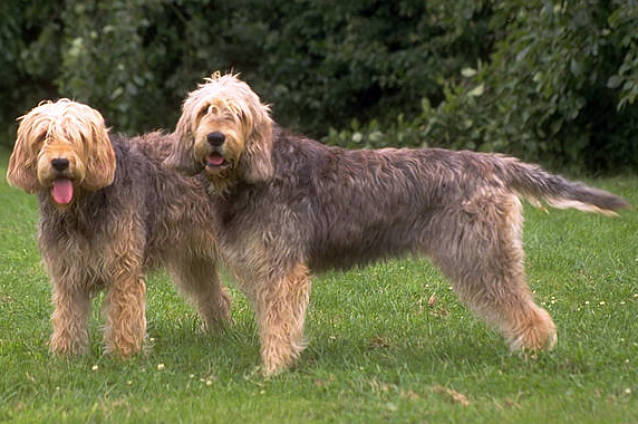
About the Otterhound
The Otterhound is an ancient English breed, originally developed to hunt otters in the rivers and streams of Medieval Britain. As a scent hound, they possess an incredible nose and a unique set of physical traits, such as webbed feet and a thick, oily coat, which allowed them to work in water for hours on end. Today, with otter hunting banned, they have transitioned into rare but beloved companions.
Physically, they are large, powerful dogs with a distinctive shaggy appearance. They carry themselves with great dignity, but their personality is often described as amiable and somewhat clownish. Because they were bred to work in packs, they are typically very sociable with other dogs and enjoy being part of a busy household. However, they are currently recognised by the Kennel Club as a Vulnerable Native Breed, with approximately only 600 individuals left globally.
Living with an Otterhound is a unique experience. They are known for their musical voices, capable of a deep, resonant bay that can carry for miles. While they are affectionate and loyal, they also possess a stubborn streak typical of hounds. Owners must appreciate their independent nature and their penchant for finding the nearest muddy puddle or body of water.
Quick Facts
* Kennel Club Group: Hound
* Size: Large (30-52kg)
* Coat Type: Double coat with a rough, crisp outer layer and an oily undercoat
* Lifespan: 10-13 years
* Temperament: Friendly, boisterous, independent, and even-tempered
* Exercise Needs: High (at least 2 hours daily)
* Key Features: Webbed feet for swimming and a powerful scenting ability
Training & Care Tips
Training an Otterhound requires patience and a good sense of humour. As scent hounds, they are easily distracted by interesting smells and may 'switch off' their hearing once they have caught a trail. Positive reinforcement and reward-based training are essential, as they do not respond well to harsh corrections. Recall is notoriously difficult with this breed; it is often safer to exercise them on a long lead in unsecure areas.
Their exercise needs are significant. An Otterhound is not a dog for a flat or a small house with a tiny garden. They need long walks daily, ideally in areas where they can explore different terrains. Mentally, they benefit from scent-work games, such as tracking treats hidden around the garden, which taps into their natural instincts and keeps them calm indoors.
Grooming is another major consideration. Their shaggy coat is designed to be weather-resistant and shed water, but it can also act as a magnet for organic debris. Weekly brushing is required to prevent matting, and their beard will need regular cleaning as it tends to soak up water and trap food. Because of their oily coat, they can have a distinctive 'hound smell' which some owners may find quite strong.
Puppy Tips
Finding an Otterhound puppy in the UK can be a challenge due to their rarity. Prospective owners should expect to join a waiting list and should only source puppies from reputable breeders who are dedicated to the preservation of the breed. It is vital to meet the mother and, if possible, the father to gauge the temperament of the line.
Early socialisation is paramount for Otterhound puppies. They grow into very large, strong dogs, so teaching them politely how to interact with people and other animals while they are still manageable is crucial. Focus on 'calmness training' in various environments, such as high streets or parks, to ensure they do not become overwhelmed by sights and sounds as they mature.
Be mindful of their growing joints. Like many large breeds, Otterhounds grow rapidly, and their bones and ligaments are susceptible to damage if over-exercised during puppyhood. Stick to the five-minute rule (five minutes of formal exercise per month of age) and avoid letting them jump off high surfaces or climb steep stairs until they are fully developed.
Health
As a breed with a small population, it is vital to monitor the health of the Otterhound closely. They are generally robust dogs, but like all large breeds, they are prone to certain hereditary conditions. Hip and elbow dysplasia are known issues within the breed, so ensure your breeder provides certificates showing the parents have good scores.
Another concern for ithe breed is Gastric Torsion, commonly known as Bloat. This is a life-threatening condition where the stomach twists. To mitigate this risk, owners often feed several smaller meals a day rather than one large one and avoid exercising the dog immediately before or after eating.
Some Otterhounds may also be prone to ear infections due to their long, pendant ears which can trap moisture and debris. Regular ear cleaning and monitoring for any redness or discharge will help keep them comfortable and prevent chronic issues. Always consult your vet if you notice your dog shaking their head frequently.
Advice for Owners
Owning an Otterhound means becoming a guardian of a piece of British history. They are wonderful companions for active families who do not mind a bit of mud and a loud bark. You must be prepared for the 'hound factor'—meaning you will likely never have a perfectly tidy house again, and you will need to be vigilant about food being left on kitchen counters, as they are expert 'counter surfers'.
Garden security is essential. Otterhounds are surprisingly athletic for their size and are known to be capable escape artists if they pick up a scent on the other side of a fence. A six-foot high fence is often recommended. Furthermore, because they love water, you must be prepared for them to dive into any pond, lake, or stream they encounter during walks.
Finally, joining the Otterhound Club or local breed groups is highly recommended. Because the breed is so rare, the community of owners is tight-knit and incredibly supportive. They can provide invaluable advice on everything from grooming techniques to managing the specific quirks of the breed, ensuring that you and your Otterhound have a long, happy life together.
---
Disclaimer
The information in this breed guide is compiled from multiple professional sources, including The Kennel Club, veterinary references, and breed-specific organisations. It is intended for general educational purposes only and is not a substitute for advice from a qualified veterinarian or accredited breeder. Always consult a professional regarding your individual dog's health, training, and care needs.