Saluki Breed Guide: Facts, Tips & Health
Discover the graceful and ancient Saluki, a dignified sighthound with a rich history. Learn about their unique temperament and care needs in our comprehensive breed guide.
By By PetNetUK ·
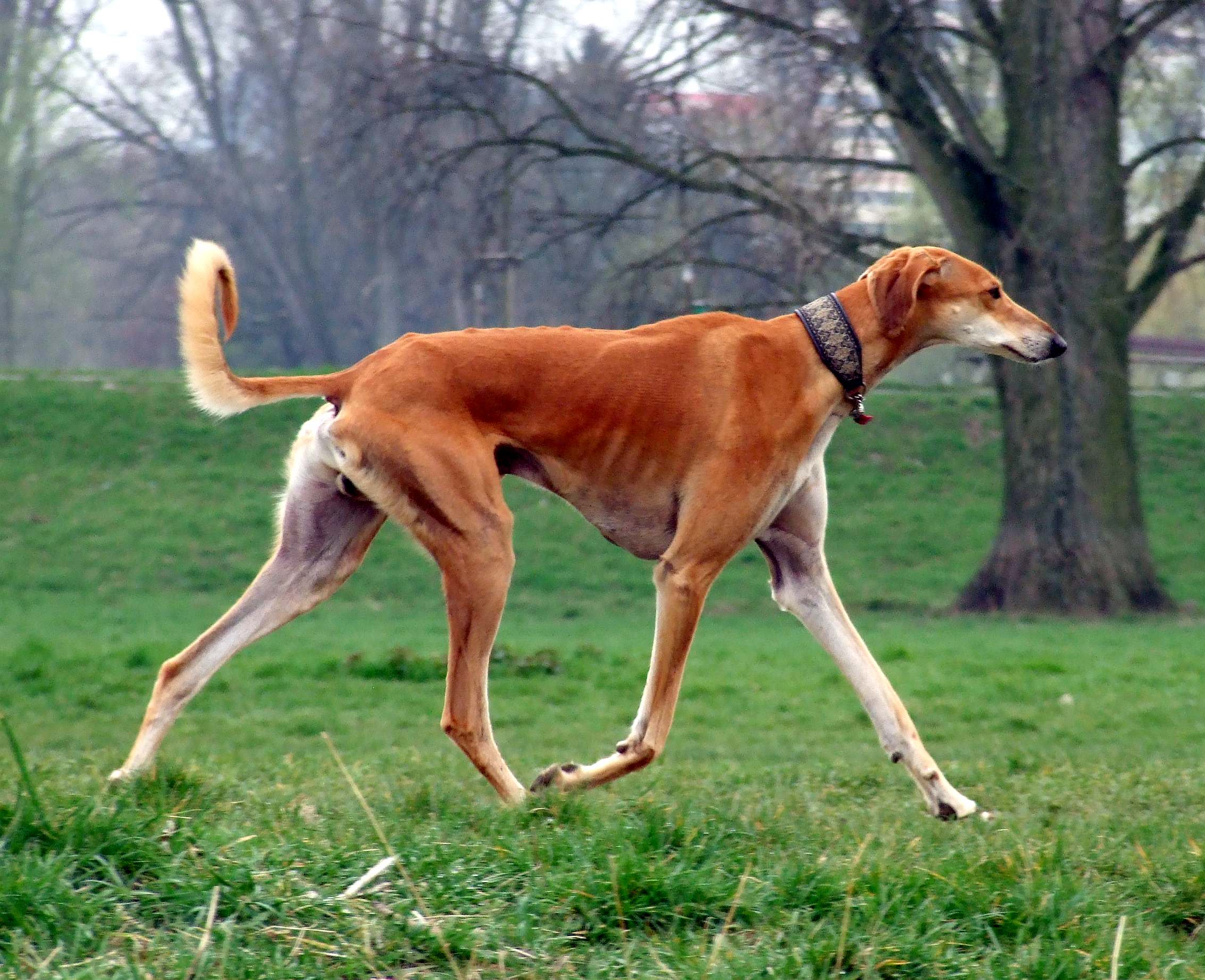
About the Saluki
The Saluki, often referred to as the Persian Greyhound or Arabian Hound, is one of the oldest dog breeds in existence. Originating in the Fertile Crescent, these elegant sighthounds were historically the companions of nomadic tribes, who used them to track and run down game across vast desert landscapes. Their lineage is so ancient that similar-looking dogs are depicted in medieval and ancient art, and some historians suggest the Saluki may even be the inspiration for the mythical Set animal of ancient Egypt.
Physically, the Saluki is a marvel of biological engineering, built for both speed and endurance. They possess a deep chest and long, slender legs that allow them to cover ground with incredible agility. While they were developed as a free-breeding landrace in the Middle East, they have been recognised as a standardised breed in the West since the 1840s. Closely related to the Afghan Hound, the Saluki remains a symbol of nobility and was once the preferred hunting partner of royalty.
In terms of temperament, the Saluki is known for being remarkably independent and somewhat reserved. Unlike many working breeds that crave constant human direction, the Saluki is a 'thinking' dog. They are affectionate with their families but often remain aloof with strangers. They possess a quiet dignity indoors, frequently described as 'cat-like' because of their clean habits and tendency to find the softest cushion in the house to lounge upon.
Quick Facts
- Kennel Club Group: Hound
- Weight: Typically 18kg to 27kg
- Height: 58cm to 71cm at the shoulder
- Life Expectancy: 12 to 14 years
- Coat Types: Two varieties — smooth and feathered (the latter featuring silky fringing on the ears and tail)
- Colours: A wide range including white, cream, fawn, golden, red, grizzle, tan, and tricolour
- Distinguishing Feature: A slender, athletic build with a deep brisket and remarkably large heart for stamina
Training & Care Tips
The primary consideration for any Saluki owner is their incredibly high prey drive. As sighthounds, they are hardwired to chase anything that moves. For this reason, recall can be notoriously difficult once they are in 'hunt mode'. Exercise should ideally take place in a safely enclosed, high-fenced area. A Saluki should never be trusted off-lead in an open space near roads or livestock, as their speed is such that they can be kilometres away in a matter of minutes.
Training requires patience and a gentle touch. Salukis do not respond well to harsh corrections or repetitive, boring drills. They are sensitive creatures that value positive reinforcement and a strong bond with their owner. Keeping training sessions short, varied, and rewarding is the best way to keep their interest. They are intelligent, but they will always weigh up whether a command is worth their effort.
Grooming requirements for the Saluki are relatively modest. The smooth-coated variety requires only a weekly brush to remove loose hair, while the feathered variety needs more frequent attention to the long hair on the ears and tail to prevent matting. They are naturally clean dogs with very little 'doggy' odour. Regular nail trimming is essential, as their feet are designed for running and overgrown claws can cause significant discomfort.
Puppy Tips
Bringing a Saluki puppy into your home is a long-term commitment that begins with socialisation. Because this breed can be naturally shy or wary of strangers, it is vital to expose them to a wide variety of people, environments, and other dogs during their first few months. This helps to build their confidence and ensures they grow into well-adjusted adults.
Crate training is often recommended for Saluki puppies. As they are tall and inquisitive, they are quite capable of 'counter-surfing' or finding household items to chew. A crate provides a safe space for them to rest and helps with the house-training process. Patience is key, as Salukis can sometimes be slower to house-train than more food-motivated breeds.
Exercise for puppies should be carefully monitored. While they have plenty of energy, their bones and joints are still developing. Avoid long, strenuous runs on hard surfaces until they are at least a year old. Instead, focus on short bursts of play and mental stimulation. Providing a variety of puzzles and toys can help keep their active minds occupied while their bodies grow.
Health
The Saluki is generally a hardy and healthy breed with a longer lifespan than many dogs of a similar size. Because they have been bred for functional performance over millennia, they lack some of the exaggerated features that lead to health problems in other breeds. However, there are a few conditions that owners should be aware of.
Heart conditions, specifically cardiomyopathy, can occur in the breed. Responsible breeders will often screen their breeding stock for heart murmurs or abnormalities. Additionally, like many deep-chested breeds, the Saluki can be prone to gastric torsion (bloat), a life-threatening condition where the stomach twists. Monitoring feeding habits—such as avoiding exercise immediately after meals—can help mitigate this risk.
Salukis are also known for being sensitive to anaesthesia and certain medications. Their low body fat percentage means that drugs are metabolised differently than in other breeds. Always ensure your vet is familiar with sighthound physiology before any surgical procedures. Regular check-ups and maintaining a lean, fit weight are the best ways to ensure your Saluki lives a long and healthy life.
Advice for Owners
Owning a Saluki is a unique experience that requires an appreciation for their independent nature. They are not 'velcro dogs' who will follow you from room to room; instead, they prefer to be in the same vicinity while maintaining their own space. They are best suited to households with older children who understand how to respect a dog's boundaries.
If you have other small pets, such as cats or rabbits, extreme caution is needed. While some Salukis can live harmoniously with cats they have been raised with, their instinct to chase is very strong. Indoors, they are the ultimate 'couch potatoes' and will happily spend most of the day sleeping on a comfortable sofa. Providing them with several soft places to rest is essential, as their bony frames do not find hard floors comfortable.
Finally, the Saluki thrives in a calm environment. They are sensitive to tension in the home and prefer a quiet, predictable routine. If you can provide them with a secure place to run a few times a week and a warm, soft bed to retire to, you will be rewarded with a loyal, graceful, and fascinating companion that brings a touch of ancient history into your modern home.
---
Disclaimer
The information in this breed guide is compiled from multiple professional sources, including The Kennel Club, veterinary references, and breed-specific organisations. It is intended for general educational purposes only and is not a substitute for advice from a qualified veterinarian or accredited breeder. Always consult a professional regarding your individual dog's health, training, and care needs.