Hovawart Breed Guide: Facts, Tips & Health
A loyal and versatile working dog from Germany, the Hovawart is a devoted family protector. Learn how to care for this intelligent and athletic breed in our latest guide.
By By PetNetUK ·
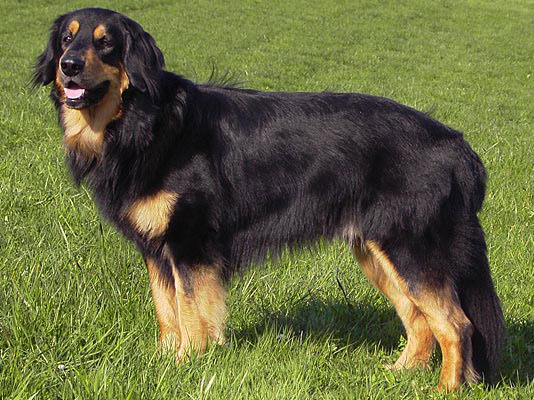
About the Hovawart
The Hovawart is a distinguished German working dog with a heritage that dates back to the Middle Ages. Its name literally translates to 'estate guard' (Hova = yard/farm, wart = watchman), reflecting its primary historical role as a guardian of property and livestock. While the breed faced near extinction, dedicated enthusiasts restored it in the early 20th century, resulting in the versatile, intelligent, and sturdy dog we recognise today within the Kennel Club Working group.
Physically, the Hovawart is a medium to large dog, possessing a powerful yet elegant build. They are often mistaken for Golden Retrievers or Flat-Coated Retrievers by the uninitiated, but they possess a more reserved temperament and a distinct protective instinct. Their coat is long and slightly wavy, appearing in three primary colours: blonde, black, and the striking black and gold combination.
In terms of personality, these are devoted family dogs that form exceptionally strong bonds with their owners. They are ‘thinkers’ who require a job to do, making them excellent candidates for agility, tracking, and search and rescue operations. While they are affectionate at home, they remain naturally wary of strangers, standing as silent, confident sentinels who only bark when there is a genuine reason for concern.
Quick Facts
* Country of Origin: Germany
* Kennel Club Group: Working
* Height: 58cm to 70cm depending on gender
* Weight: Approximately 25kg to 40kg
* Lifespan: 10 to 14 years
* Coat Type: Long, dense, and weather-resistant
* Colours: Black and gold, black, or blonde
* Temperament: Even-tempered, alert, and highly intelligent
Training & Care Tips
The Hovawart is highly intelligent but also possesses a streak of independence. Unlike some working breeds that live to please, the Hovawart often needs to understand why it is being asked to perform a task. Training should begin early and focus on positive reinforcement. Harsh methods will likely cause this sensitive breed to shut down or become stubborn. They respond best to consistency, patience, and variety in their training routines to prevent boredom.
Energy levels are high in this breed, and a simple walk around the block will rarely suffice. They require at least two hours of vigorous exercise daily, ideally involving off-lead running in a secure area or engaging in canine sports. Mental stimulation is just as vital as physical exertion; food puzzles, scent work, and advanced obedience training are essential to keep their sharp minds occupied and prevent destructive behaviours in the home.
Grooming requirements are surprisingly manageable given the length of their coat. The Hovawart lacks a thick undercoat, meaning they do not mat as easily as some other long-haired breeds. A thorough brushing once or twice a week is usually sufficient to remove loose hair and debris, though more frequent attention is needed during their bi-annual sheds. Regular checks of their ears, teeth, and nails are also necessary to maintain overall hygiene.
Puppy Tips
When bringing a Hovawart puppy home, socialisation is your absolute priority. Because they are naturally protective and can be aloof with strangers, exposing them to a wide variety of people, animals, and environments before the age of 16 weeks is crucial. This ensures their guarding instincts develop into a confident, discerning nature rather than fearful reactivity.
Be mindful of their growth rate during puppyhood. As a larger breed, their bones and joints are susceptible to damage if over-exercised while young. Use the five-minute rule: five minutes of formal exercise per month of age, twice a day. Avoid allowing them to jump from heights or run on slippery hard floors until their growth plates have closed, typically around 12 to 18 months of age.
Health
The Hovawart is generally regarded as a healthy and robust breed, largely thanks to the stringent breeding regulations established in Germany. Hip dysplasia is the primary concern, as with many large breeds. It is essential to ensure that any breeder you choose has conducted hip scoring on the parent dogs to minimise the risk of this hereditary condition.
Other conditions occasionally noted in the breed include hypothyroidism and Gastric Torsion (GDV), more commonly known as bloat. Owners should be aware of the signs of bloat, such as a distended abdomen or unproductive retching, as this is a life-threatening emergency. Feeding smaller, frequent meals and avoiding vigorous exercise immediately after eating can help reduce the risk. Overall, with a good diet and regular veterinary check-ups, the Hovawart is a resilient companion.
Advice for Owners
Owning a Hovawart is a significant commitment that is best suited to active households with previous dog experience. They are not recommended for first-time owners who may struggle with their independent spirit and protective nature. However, for those who can provide clear leadership and an active lifestyle, the rewards are immense. They are particularly good with children within their own family, often acting as a gentle and watchful 'nanny' dog.
Before committing to this breed, consider your living situation. While they settle well indoors, they thrive in homes with large, securely fenced gardens where they can patrol their territory. They do not enjoy being left alone for long periods and are happiest when integrated into daily family life. If you are looking for a loyal, intelligent, and capable guardian who will be your shadow, the Hovawart is a magnificent choice that will repay your dedication with lifelong devotion.
---
Disclaimer
The information in this breed guide is compiled from multiple professional sources, including The Kennel Club, veterinary references, and breed-specific organisations. It is intended for general educational purposes only and is not a substitute for advice from a qualified veterinarian or accredited breeder. Always consult a professional regarding your individual dog's health, training, and care needs.