Taking Care of Your Dog in the Colder Months: A Complete UK Guide
Cold weather can bring hidden risks for dogs, from icy pavements and shorter daylight hours to joint stiffness and seasonal illness. This guide explains how to keep your dog safe, healthy, and comfortable during the colder months, with practical advice for UK dog owners.
By PetNetUK ·
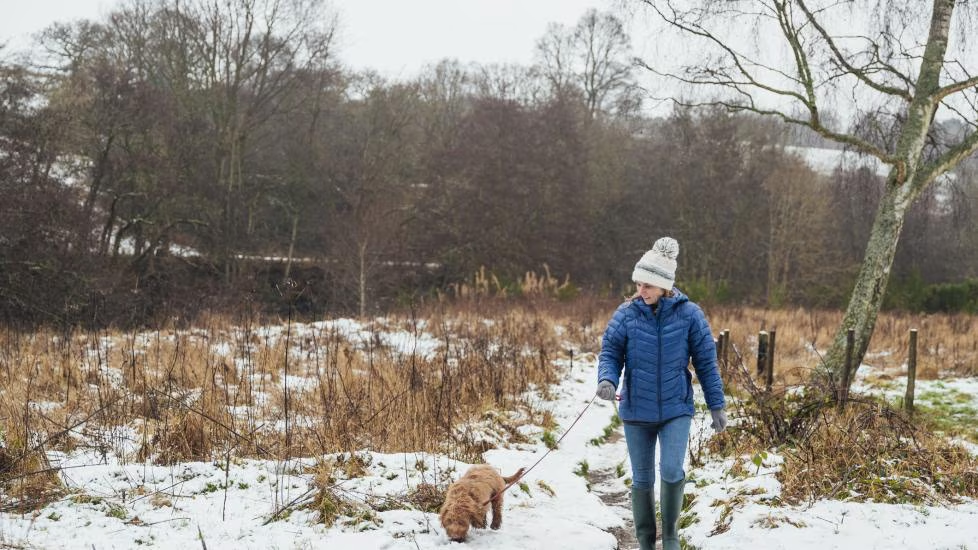
As temperatures drop and winter approaches, your dog’s needs can change more than you might expect. While many dogs love crisp winter walks, colder months also bring challenges such as icy conditions, reduced daylight, wet weather, and increased health risks.
This guide will help you understand how to care for your dog during the colder months, ensuring they stay warm, safe, and happy throughout autumn and winter.
Understanding How Cold Affects Dogs
Not all dogs handle the cold in the same way. Factors such as breed, size, age, coat type, and health all play a role in how well a dog tolerates lower temperatures.
Dogs that may struggle more in cold weather include:
Puppies and senior dogs
Small or short-haired breeds
Dogs with health conditions such as arthritis or heart disease
Underweight dogs
Even dogs with thick coats can feel the effects of prolonged exposure to cold, wet, or windy conditions.
Adjusting Walks in Cold Weather
Daily walks remain essential throughout winter, but they may need adjusting.
Shorter, Safer Walks
During very cold or icy weather, shorter walks may be safer than long outings. Slippery pavements increase the risk of injury, and extreme cold can be uncomfortable or even dangerous.
Visibility and Daylight
With darker mornings and evenings, visibility becomes crucial. Reflective collars, leads, or coats help keep your dog visible to drivers and cyclists.
Watch for Ice and Grit
Road salt and grit can irritate or burn your dog’s paws. Try to avoid heavily gritted areas where possible and rinse paws after walks.
Protecting Your Dog’s Paws
Cold ground, ice, and salt can be harsh on paws.
To protect them:
Check paws after every walk
Trim excess hair between paw pads
Use dog-safe paw balm for protection
Consider dog boots for extreme conditions
Cracked or sore paws should be addressed quickly to prevent infection.
Keeping Your Dog Warm
Dog Coats and Jumpers
Some dogs benefit greatly from wearing a coat or jumper, particularly during walks. This is especially important for short-haired breeds and older dogs.
Indoor Warmth
Ensure your dog has a warm, dry place to rest indoors, away from drafts. Raised beds, blankets, or orthopaedic beds can help retain heat and support joints.
Nutrition and Hydration in Winter
Dogs may burn more energy keeping warm during colder months.
Ensure your dog is receiving appropriate nutrition for their activity level
Monitor weight to prevent unwanted weight gain due to reduced exercise
Always provide fresh water—bowls can freeze outdoors
Never allow dogs to drink from puddles or standing water, which may contain harmful substances.
Winter Health Considerations
Joint Care and Arthritis
Cold weather can worsen joint stiffness and arthritis. Gentle warm-up before walks and comfortable bedding can make a big difference. If your dog seems stiff or reluctant to move, consult your vet.
Illness and Seasonal Risks
Dogs can still become ill in winter. Be alert for coughing, lethargy, appetite changes, or unusual behaviour.
Antifreeze Awareness
Antifreeze is extremely toxic to dogs, even in small amounts. Clean up spills immediately and keep containers securely stored.
Grooming During Colder Months
It’s a common myth that dogs shouldn’t be groomed in winter. In reality, proper grooming is still essential.
Keep coats clean and free from mats
Avoid letting your dog stay wet for long periods
Dry thoroughly after walks in rain or snow
Continue regular brushing to maintain coat health
Avoid shaving dogs down in winter unless advised by a professional.
Mental Stimulation When It’s Cold Outside
Bad weather can reduce outdoor activity, making mental stimulation even more important.
Ideas include:
Puzzle toys and enrichment feeders
Basic training refreshers
Scent games indoors
Short, frequent play sessions
Mental exercise can be just as tiring as physical exercise and helps prevent boredom-related behaviours.
Travel and Outdoor Safety
If travelling in winter:
Never leave dogs unattended in cold vehicles
Carry blankets and water for emergencies
Check weather forecasts before long journeys
If snow or ice is severe, it’s perfectly acceptable to prioritise safety and limit outings.
Recognising Signs Your Dog Is Too Cold
Watch for signs such as:
Shivering
Lifting paws frequently
Slowing down or refusing to walk
Seeking warmth or curling tightly
If your dog appears very cold, return indoors and warm them gradually.
Final Thoughts
Winter doesn’t have to limit your dog’s quality of life. With a few simple adjustments, you can keep your dog comfortable, healthy, and safe throughout the colder months.
By understanding your dog’s individual needs and taking proactive steps, you’ll ensure they continue to thrive—whatever the weather.