Skye Terrier Breed Guide: Facts, Tips & Health
The Skye Terrier is a loyal and elegant Scottish breed currently facing extinction. Discover if this courageous and historic 'Vulnerable Native Breed' is the right companion for your home.
By By PetNetUK ·
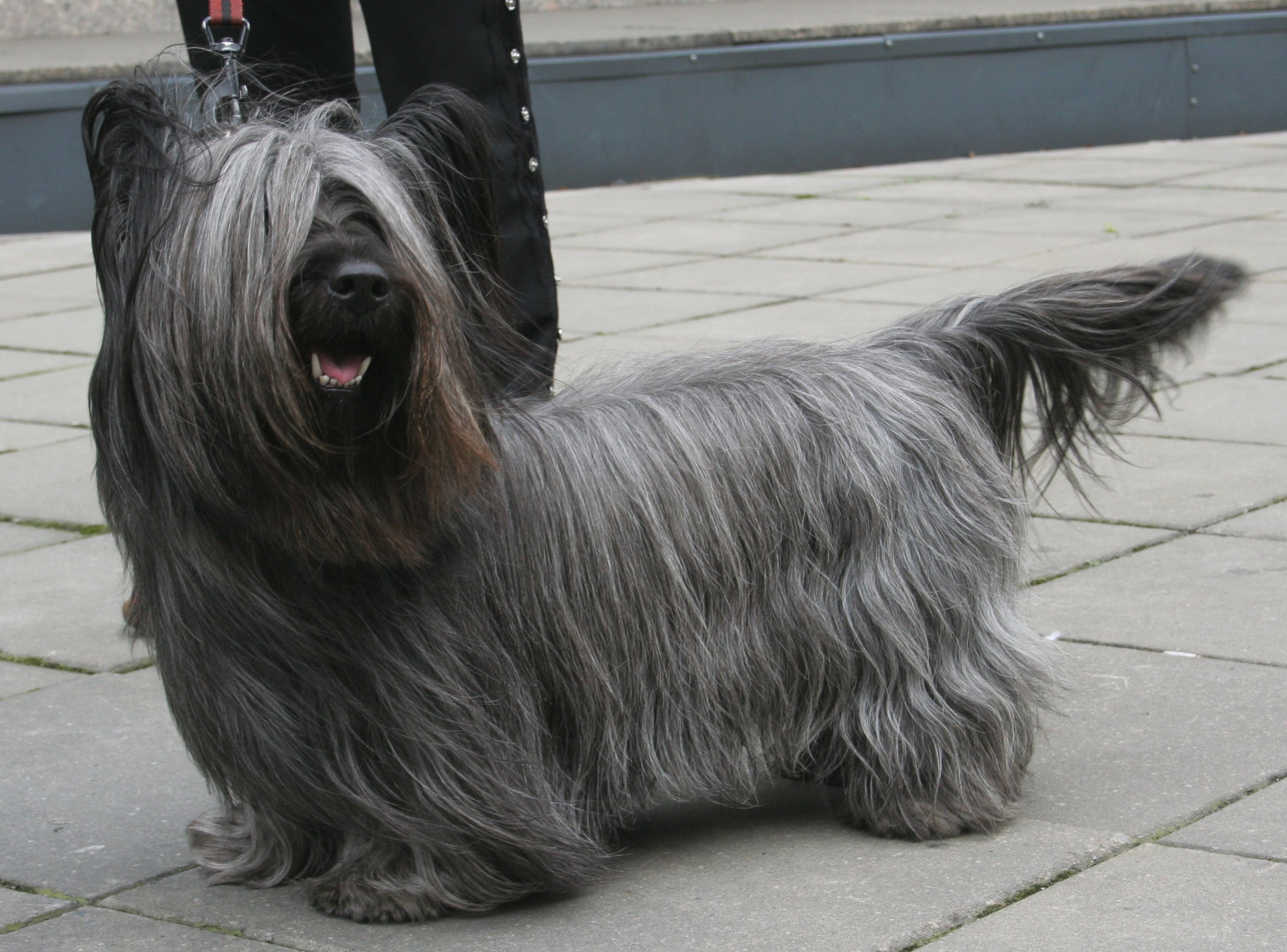
About the Skye Terrier
The Skye Terrier is a breed steeped in Scottish history, hailing from the Isle of Skye in the Inner Hebrides. Known for its distinctively long, low profile and 'peek-a-boo' fringed ears, this dog was once a favourite of Queen Victoria. Despite its royal associations and famed loyalty—most notably demonstrated by Greyfriars Bobby—the Skye Terrier is currently one of the UK’s most endangered native breeds, classified as a Vulnerable Native Breed by the Kennel Club.
Physically, the Skye is twice as long as it is high, standing at roughly 25cm at the shoulder but reaching over 100cm in length from nose to tail. They possess a double coat: a soft, woolly undercoat for warmth and a hard, straight topcoat that resists the harsh Scottish weather. While they are undeniably elegant, they remain hardy working dogs at heart, originally bred to pursue foxes and badgers amongst the rocky cairns of their homeland.
In terms of temperament, the Skye Terrier is renowned for being 'a one-person dog'. They are intensely loyal to their primary caregivers and can be somewhat aloof or suspicious of strangers. This is not a dog that will greet every passer-by with enthusiasm; instead, they prefer to observe from a distance until they have deemed a newcomer trustworthy. Within the family unit, however, they are affectionate, sensitive, and deeply involved in daily life.
Quick Facts
* Kennel Club Group: Terrier
* Original Purpose: Hunting foxes, otters, and badgers
* Average Lifespan: 12–15 years
* Height: 25–26 cm (at the withers)
* Weight: 11–18 kg
* Coat Type: Long, hard, and straight double coat
* Conservation Status: Vulnerable Native Breed (fewer than 300 registrations per year)
* Core Traits: Loyal, courageous, dignified, and independent
Training & Care Tips
Training a Skye Terrier requires patience and a firm but fair hand. Like many terriers, they possess a streak of independence and can be quite stubborn if they do not see the point of a command. They do not respond well to harsh shouting or punitive measures; instead, positive reinforcement through praise and treats is the most effective way to build a working relationship. Early socialisation is critical to ensure their natural aloofness towards strangers does not develop into reactivity.
Exercise requirements are moderate. A Skye Terrier does not need miles of running every day, but they do require two solid walks to keep them mentally and physically stimulated. They are surprisingly agile and enjoy exploring new scents. It is important to keep them on a lead in unsecured areas, as their high prey drive may lead them to chase small animals despite their dignified appearance.
Grooming is a significant commitment for any Skye owner. Their long coat requires thorough brushing at least twice a week to prevent matting and to remove debris caught during walks. Particular attention must be paid to the hair around the eyes and ears. Despite the length of the coat, they are relatively clean dogs and do not require frequent bathing, which can actually soften the desired 'hard' texture of the topcoat.
Puppy Tips
If you are looking for a Skye Terrier puppy, you must be prepared to wait. Because they are an endangered breed, there are very few active breeders in the UK. You should contact the Skye Terrier Club for a list of reputable breeders and expect to be thoroughly vetted yourself. Responsible breeders are protective of these rare dogs and want to ensure they go to permanent, knowledgeable homes.
During puppyhood, it is vital to protect the Skye’s developing joints. Because of their long spine and short legs, they should not be allowed to jump off furniture or climb steep stairs until they are fully matured (around 12 to 18 months). High-impact exercise should also be avoided during this time to prevent long-term spinal issues.
Socialisation in the first sixteen weeks is the foundation of a well-adjusted Skye. Introduce your puppy to as many different sights, sounds, and people as possible. Because they are naturally cautious, positive experiences during this window will help them become confident adults. Crate training is often recommended as it provides the dog with a 'den' where they can retreat when they need peace and quiet.
Health
Generally, the Skye Terrier is a hardy and long-lived breed with few hereditary health problems. However, their unique conformation—long back and short legs—does make them susceptible to certain skeletal issues. 'Skye Limp' is a condition sometimes seen in puppies between 3 and 10 months of age, caused by uneven growth in the forelegs. This typically resolves with rest and maturity but should always be monitored by a vet.
Intervertebral Disc Disease (IVDD) is a potential concern due to their elongated spine. Keeping your dog at a healthy weight is the most effective way to reduce the strain on their back. Obesity in a Skye Terrier can significantly shorten their lifespan and lead to mobility issues. Regular, gentle exercise and a high-quality diet are essential.
Other occasional health concerns include liver issues (specifically copper toxicosis) and certain types of cancer, though these are not uniquely prevalent in Skyes compared to other breeds. Regular check-ups and maintaining a routine of dental care and nail trimming will help ensure your terrier remains in peak condition throughout its senior years.
Advice for Owners
Owning a Skye Terrier is a privilege that comes with the responsibility of preserving a piece of British heritage. If you are looking for a dog that will be everyone's best friend at the park, the Skye may not be for you. However, if you value a deep, singular bond with a dog that is courageous, slightly eccentric, and deeply devoted, you will find no better companion.
Prospective owners should be prepared for the attention a Skye Terrier draws. Because they are so rare, you will frequently be stopped by curious members of the public. This provides a great opportunity to advocate for the breed. Ensure you have the time for regular grooming and the temperament to handle a dog that considers itself your equal rather than your servant.
Finally, ensure your home is 'Skye-proofed'. This means having a secure garden with no small gaps, as their narrow frames allow them to squeeze through surprisingly small spaces. Inside, provide ramps if you allow them on the sofa to protect their backs. With the right care and environment, a Skye Terrier will be a dignified and loving presence in your life for many years.
---
Disclaimer
The information in this breed guide is compiled from multiple professional sources, including The Kennel Club, veterinary references, and breed-specific organisations. It is intended for general educational purposes only and is not a substitute for advice from a qualified veterinarian or accredited breeder. Always consult a professional regarding your individual dog's health, training, and care needs.