Keeping Your Dog Safe in Hot Weather: A Complete UK Guide
Learn essential tips for protecting your dog during hot weather. From spotting heatstroke early to safe walking times, hydration advice and cooling techniques — our complete guide keeps your pet safe all summer long.
By PetNetUK ·
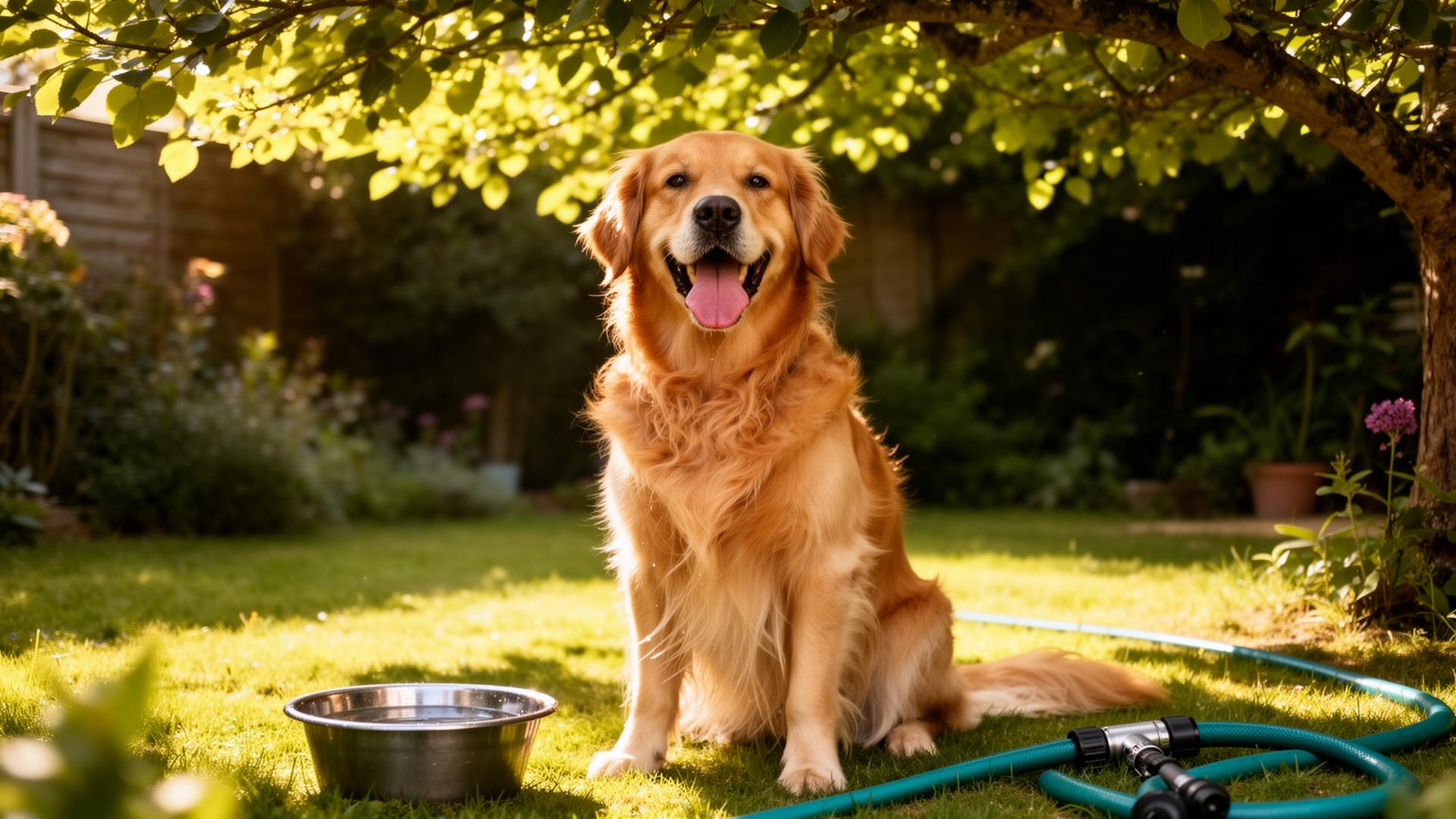
Why Hot Weather Is Dangerous for Dogs
Dogs cannot sweat through their skin the way humans do. They rely on panting and a small number of sweat glands in their paws to regulate body temperature. When the ambient temperature rises — particularly during the UK summer months — this cooling mechanism becomes far less effective. Brachycephalic breeds such as Bulldogs, Pugs, and French Bulldogs are at especially high risk, as are very young puppies, elderly dogs, and those with underlying health conditions.
Heatstroke can occur when a dog's body temperature rises above 40°C. It is a medical emergency and can be fatal if not treated promptly. Recognising the early warning signs is therefore critical for every responsible pet owner.
Recognising the Signs of Heatstroke
Early intervention saves lives. Learn to spot these warning signs before they escalate:
- Heavy panting or difficulty breathing
- Excessive drooling
- Lethargy or weakness
- Vomiting or diarrhoea
- Bright red gums or tongue
- Uncoordinated movement or collapse
- Seizures in severe cases
If you suspect heatstroke, move your dog to a cool area immediately, offer small amounts of lukewarm (not cold) water, and douse them with cool — never ice-cold — water. Contact your vet straight away, even if your dog appears to recover.
Walking Your Dog Safely in Warm Weather
In the UK, temperatures can climb unexpectedly during late spring and summer. Plan walks during the cooler parts of the day: early morning and late evening. Avoid the midday sun between 11 a.m. and 3 p.m. when pavement temperatures peak.
Before heading out, perform the five-second test: hold the back of your hand against the pavement for five seconds. If it is uncomfortably hot, it is too hot for your dog's paws. Burnt pads are painful and can blister, leading to infection.
Choose shaded routes where possible — woodland paths and grassy parks are preferable to hot tarmac. Carry water and a portable bowl on every walk, and take frequent rest breaks in the shade.
Keeping Your Dog Cool at Home
Your home should be a refuge from the heat. Here are proven ways to keep your dog comfortable indoors:
- Close curtains and blinds during the day to block direct sunlight
- Use fans or air conditioning to maintain airflow
- Place cooling mats in your dog's favourite resting spots
- Freeze treats inside a Kong or lick mat for a refreshing enrichment activity
- Ensure fresh, cool water is available in multiple locations
- Dampen a towel for your dog to lie on — evaporation helps lower body temperature
Never leave your dog in a parked car, even for a few minutes. Temperatures inside vehicles rise rapidly and can be lethal. It is illegal in the UK to cause unnecessary suffering to an animal under the Animal Welfare Act 2006.
Hydration and Diet Tips for Summer
Dogs need more water in hot weather. Encourage drinking by adding a splash of low-sodium broth to their water, or offering ice cubes as a treat. Some dogs enjoy licking frozen fruit such as watermelon or blueberries — safe in moderation.
You may notice your dog's appetite drops slightly in very warm weather. This is normal. Avoid feeding large meals during the hottest part of the day, and never exercise your dog immediately before or after eating, as this increases the risk of bloat.
Grooming and Coat Care in the Heat
A well-maintained coat actually helps regulate temperature. Regular brushing removes dead undercoat and allows air to circulate next to the skin. However, never shave double-coated breeds such as Huskies, Golden Retrievers, or Border Collies — their undercoat provides natural insulation against both heat and cold.
For dogs with lighter or thin fur, pet-safe sun cream applied to the nose, ear tips, and any exposed pink skin can prevent sunburn. Speak to your vet for a recommended product.
Water Safety and Outdoor Cooling Activities
Many dogs love water, and supervised swimming is an excellent way to exercise without overheating. Choose safe locations: designated dog-friendly beaches, shallow rivers with slow currents, or a paddling pool in your garden. Always supervise your dog around water, and rinse them afterwards to remove salt, chlorine, or algae.
A shallow paddling pool in the garden provides endless entertainment and an easy way to cool down. Wetting your dog's paws, chest, and belly with cool water also helps lower their core temperature effectively.
Special Considerations for At-Risk Dogs
Some dogs require extra vigilance during heatwaves:
- Brachycephalic breeds (flat-faced dogs) struggle to breathe efficiently and overheat quickly
- Overweight dogs carry extra insulation that traps heat
- Senior dogs may not self-regulate as effectively and can become dehydrated without showing obvious signs
- Puppies are more playful and less aware of their own limits
- Dogs with heart or lung conditions are already working harder and heat adds dangerous strain
If your dog falls into any of these categories, keep them indoors during the warmest hours and speak to your vet about additional precautions.
When to Seek Veterinary Help
Contact your vet immediately if your dog shows any of the following after exposure to heat:
- Persistent heavy panting that does not subside after cooling
- Vomiting or diarrhoea containing blood
- Confusion, disorientation, or collapse
- Seizures or loss of consciousness
- Dark urine or inability to urinate
Heatstroke can cause organ damage that may not be immediately obvious. Even if your dog appears fine after cooling down, a vet check is strongly recommended following any significant heat exposure incident.
Final Thoughts
Hot weather does not mean your dog must miss out on exercise and enjoyment — it simply requires sensible planning and awareness. By walking at cooler times, providing ample shade and water, and knowing the early signs of heat distress, you can keep your dog safe, healthy, and happy all summer long.
At PetNetUK, we believe informed owners make the best decisions for their pets. If you are concerned about your dog's health during a heatwave, always err on the side of caution and consult your veterinary professional.