Curly-Coated Retriever Breed Guide: Facts, Tips & Health
Discover the Curly-Coated Retriever, the tallest and one of the oldest retriever breeds. Learn why this distinctive, curly-haired gundog makes a loyal companion for active households.
By By PetNetUK ·
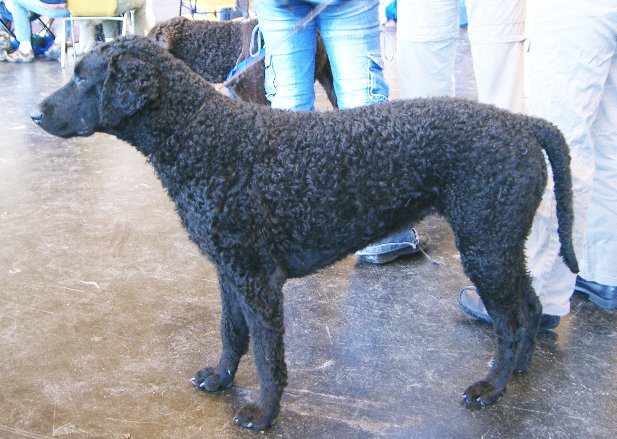
About the Curly-Coated Retriever
The Curly-Coated Retriever holds a distinguished place in British history as one of the oldest established retriever breeds. Recognised by the Kennel Club as early as 1860 alongside the Wavy-Coated Retriever, this breed was originally developed for upland bird and waterfowl hunting. While it may not share the same level of mainstream popularity as the Labrador or Golden Retriever, the 'Curly' is a highly capable and intelligent gundog that excels in both field work and as a family companion.
Physically, the Curly-Coated Retriever is the tallest of all retriever breeds. Its most striking feature is its dense coat of small, crisp, tight curls that cover the body from the tail to the occiput. This unique coat was bred for a specific purpose: to provide water resistance and protection against thick brambles and sub-zero temperatures. Unlike other retrievers, they lack a downy undercoat, which makes their grooming needs quite distinct.
In terms of temperament, the Curly is often described as slightly more independent and aloof than its retriever cousins. While they are deeply loyal to their family, they can be discerning with strangers. This independence shouldn't be mistaken for a lack of affection; rather, it reflects their background as a thinking hunter. They are spirited, courageous, and possess an 'off-switch' indoors, provided they have received enough mental and physical stimulation during the day.
Quick Facts
* Kennel Club Group: Gundog
* Height: Dogs 64-69cm, Bitches 58-64cm
* Weight: Generally between 30kg and 40kg
* Lifespan: 10-12 years
* Coat Type: A mass of small, tight, crisp curls; water-resistant and low-shedding
* Colours: Solid Black or Liver
* Temperament: Loyal, independent, intelligent, and poised
Training & Care Tips
Training a Curly-Coated Retriever requires a consistent and engaging approach. Due to their high intelligence, they can become bored with repetitive tasks. Unlike some breeds that will happily perform the same command twenty times, a Curly may decide by the fifth repetition that they have 'learnt' the lesson and choose to focus on something else. Use positive reinforcement and keep training sessions varied to maintain their interest.
Socialisation is vital from a young age. Because the breed can be naturally reserved with strangers, exposing them to various people, environments, and other dogs is essential to ensure they grow into confident adults. They are particularly well-suited to active owners who enjoy long walks, hiking, or even canine sports like agility and obedience, where their problem-solving skills can be put to the test.
Grooming the Curly is surprisingly straightforward, provided you follow a few rules. The coat should not be brushed or combed frequently, as this can cause the curls to friz and lose their natural shape. Instead, many owners find that simply dampening the coat with water and massaging the curls helps maintain the texture. During the shedding season, a light thinning or hand-stripping may be required to remove dead hair.
Puppy Tips
When bringing a Curly-Coated Retriever puppy home, it is important to remember that they are slow to mature. This breed often retains its puppy-like exuberance well into its third year. Early boundaries are necessary to manage their size and energy levels indoors. Ensure you provide plenty of chew toys, as retrievers are naturally 'mouthy' and will look for things to carry and chew during their teething stage.
Avoid over-exercising a young Curly. While they are a large breed that needs to build muscle, their joints are still developing. Follow the general rule of five minutes of formal exercise for every month of age, up to twice a day. This helps prevent long-term orthopaedic issues. Start lead training and basic recall as soon as they are vaccinated, as their size makes a well-mannered walk essential for the owner's comfort.
Health
The Curly-Coated Retriever is generally a robust and hardy breed, but like all pedigree dogs, they are prone to certain hereditary conditions. Reputable breeders will screen their breeding stock to ensure the health of the puppies. Key areas of focus for the breed include:
* Hip and Elbow Dysplasia: A condition where the joints do not develop correctly, potentially leading to arthritis. Scoring is recommended for breeding dogs.
* Eye Conditions: Such as Progressive Retinal Atrophy (PRA) and Distichiasis (ingrown eyelashes). Annual eye testing is common practice.
* GSD Type IIIa: Glycogen Storage Disease is a metabolic disorder for which DNA tests are available.
* Bloat (GDV): As a deep-chested breed, they are at a higher risk of gastric torsion. Feeding smaller, frequent meals and avoiding exercise immediately after eating can help mitigate this risk.
Advice for Owners
Owning a Curly-Coated Retriever is a rewarding experience for those who appreciate a dog with a bit of character and independence. They are best suited to homes with a garden where they have space to move, though they are notably calm indoors once they have had their morning exercise. They make excellent companions for families with older children, but their size and 'bouncy' nature should be considered if you have toddlers.
Potential owners should be prepared for the 'velcro' nature of the breed; they like to be in the same room as their owners and do not thrive if left alone for extended periods. If you are looking for a unique, athletic gundog that stands out from the crowd and offers unwavering loyalty, the Curly-Coated Retriever is a magnificent choice. Ensure you buy from a Kennel Club Assured Breeder to guarantee the best start for your new companion.
---
Disclaimer
The information in this breed guide is compiled from multiple professional sources, including The Kennel Club, veterinary references, and breed-specific organisations. It is intended for general educational purposes only and is not a substitute for advice from a qualified veterinarian or accredited breeder. Always consult a professional regarding your individual dog's health, training, and care needs.