Chihuahua (Long Coat) Breed Guide: Facts, Tips & Health
Discover the charm of the Chihuahua (Long Coat), the world's smallest dog breed. Learn about their spirited personality, grooming needs, and how to care for these loyal companions.
By By PetNetUK ·
About the Chihuahua (Long Coat)
The Chihuahua (Long Coat) is a diminutive dog with a surprisingly large personality. Originating from Mexico and named after the state of Chihuahua, this breed is officially recognised by the Kennel Club in the Toy group. As the smallest dog breed in the world, they have transitioned from ancient companions to one of the most popular urban pets in the United Kingdom. Despite their tiny stature, they are far from being mere 'handbag dogs'; they are spirited, intelligent, and fiercely loyal to their owners.
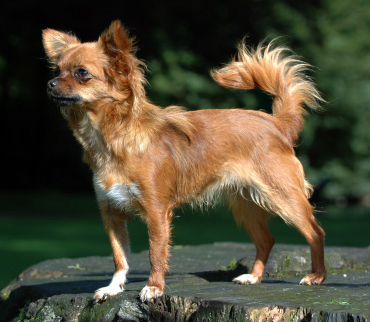
The Long Coat variety is distinguished by its soft, silky fur, which can be flat or slightly wavy. One of the most enchanting features of the Long Coat Chihuahua is the 'fringing' or feathering on the ears, feet, and legs, alongside a plumed tail that resembles a delicate fan. They possess a characteristic 'apple dome' skull, large luminous eyes, and ears that stand remarkably erect when the dog is alert.
In terms of temperament, Chihuahuas are known for their 'terrier-like' qualities. They are confident, often unaware of their small size, and can be quite protective of their favourite person. While they are affectionate with their family, they can be wary of strangers and may bark to announce an arrival. This makes them excellent little watchdogs, though they require early sociability to ensure they remain well-mannered in public settings.
Quick Facts
* Kennel Club Group: Toy
* Size: Small (the world's smallest breed)
* Weight: Ideally 1.8kg – 2.7kg (4–6 lbs)
* Life Expectancy: 12–15+ years
* Coat Type: Long, soft, and silky with a ruff around the neck and feathering on the limbs
* Colours: All colours and patterns are permissible, including fawn, tri-colour, and blue
* Exercise Needs: Low to moderate; 30 minutes of walking per day is usually sufficient
* Temperament: Bold, lively, and intensely loyal
Training & Care Tips
Training a Long Coat Chihuahua requires patience and a gentle touch. Because of their size, it is easy to inadvertently overlook training, but a 'spoilt' Chihuahua can become snappy or overly anxious. Positive reinforcement is the most effective method; use small, low-calorie treats and plenty of praise. They are intelligent and pick up commands quickly, though toilet training can sometimes take longer than with larger breeds due to their small bladders.
Grooming is a vital part of caring for the Long Coat variety. Unlike the Smooth Coat, the Long Coat needs brushing at least two to three times a week to prevent tangles and mats, particularly in the fine hair behind the ears and under the legs. They do shed, but because they are so small, the amount of hair lost is manageable. Regular dental care is also essential, as small breeds are prone to overcrowding of teeth and subsequent gum disease.
Dietary management is crucial for this breed. It is very easy to overfeed a Chihuahua, and even a few extra grams of weight can put a significant strain on their tiny joints and heart. Stick to high-quality, small-breed specific kibble and be mindful of human food scraps. Ensure they have a warm, draft-free place to sleep, as their small body mass means they feel the cold much more acutely than other dogs.
Puppy Tips
When bringing a Chihuahua puppy home, the first priority is 'puppy-proofing'. Due to their miniscule size, they can easily get stuck behind appliances or squeeze through tiny gaps in garden fencing. It is also important to teach children how to handle them gently; a puppy can be seriously injured if dropped or stepped on. Always supervise interactions between puppies and larger household pets during the initial stages.
Socialisation should begin as soon as your puppy is fully vaccinated. Expose them to different sounds, sights, and people to prevent them from becoming overly timid or aggressive as they grow. While it is tempting to carry your Chihuahua everywhere, allowing them to walk on their own lead helps build confidence and ensures they develop healthy muscles and joints.
Health
Chihuahuas are generally a long-lived breed, but they are predisposed to certain hereditary conditions. Patellar Luxation, where the kneecap slips out of place, is common in many Toy breeds. Maintaining a healthy weight can help reduce the symptoms and progression of this condition. Heart issues, specifically mitral valve disease, are also something owners should be aware of as the dog ages.
Another specific concern for Chihuahuas is the 'molera', a soft spot on the top of the skull similar to a human baby’s fontanelle. While many Chihuahuas’ skulls close fully as they mature, some retain a small opening. This is considered a breed trait rather than a defect, but it does mean owners must be careful to avoid any head injuries. Hydrocephalus and tracheal collapse are other conditions that can occur, so regular veterinary check-ups are highly recommended.
Advice for Owners
Owning a Long Coat Chihuahua is a rewarding experience, but it requires a commitment to their specific needs. They are best suited to individuals or families with older children who understand how to handle small animals with care. Because they thrive on human companionship, they do not like being left alone for long periods. If you work long hours away from home, the Chihuahua may not be the ideal breed for you unless you can arrange for a dog sitter.
In the UK, it is important to invest in a good quality dog coat for the winter months. Even with a longer coat, Chihuahuas struggle to maintain body heat in cold and damp British weather. On walks, consider using a harness rather than a collar attached to the lead, as this prevents pressure on their delicate necks and reduces the risk of tracheal damage.
Finally, remember that despite their size, they have the heart of a lion. Treat them like a 'real dog' by providing mental stimulation and regular exercise, and you will be rewarded with a devoted, spirited companion who will stay by your side for many years to come.
---
Disclaimer
The information in this breed guide is compiled from multiple professional sources, including The Kennel Club, veterinary references, and breed-specific organisations. It is intended for general educational purposes only and is not a substitute for advice from a qualified veterinarian or accredited breeder. Always consult a professional regarding your individual dog's health, training, and care needs.