Fox Terrier (Wire) Breed Guide: Facts, Tips & Health
Discover the feisty and affectionate Fox Terrier (Wire), a quintessential British breed known for its distinctive coat, intelligence, and spirited personality.
By By PetNetUK ·
About the Fox Terrier (Wire)
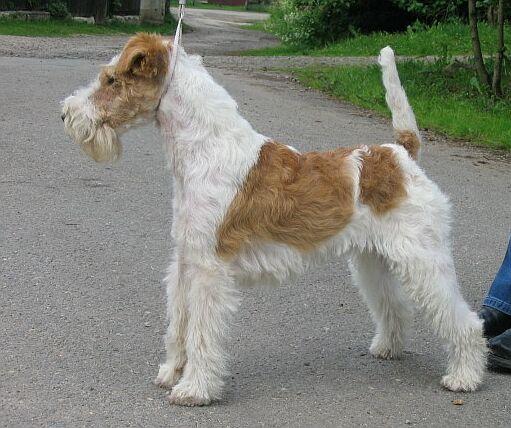
The Wire Fox Terrier is a classic British breed that embodies the quintessential terrier spirit. Originally bred in England for the purpose of bolting foxes from their underground dens, this dog is small in stature but immense in personality. While they share a name and a general silhouette with the Smooth Fox Terrier, it is widely believed amongst breed historians that the two varieties were developed separately, rather than being mere coat variations of the same stock.
Physically, the Wire Fox Terrier is distinguished by its dense, 'wiry' coat and its alert, keen expression. They are sturdy, well-balanced dogs that carry themselves with a certain elegance and constant readiness for action. Historically, they were the favoured companions of the gentry during hunts, but today they are more commonly found as lively household pets and successful competitors in the show ring.
In terms of temperament, these dogs are energetic, inquisitive, and remarkably brave. They possess a high prey drive and a stubborn streak that reflects their working heritage. For the right owner, they are affectionate and endlessly entertaining companions, providing a level of devotion and character that few other breeds can match. They thrive in environments where they are treated as part of the family and given plenty of mental stimulation.
Quick Facts
- Kennel Club Group: Terrier
- Weight: Approximately 7 - 9kg
- Height: Up to 39cm at the withers
- Lifespan: 12 - 15 years
- Coat: Hard, wiry, and dense with a soft undercoat
- Colours: Predominantly white with black or tan markings
- Temperament: Bold, friendly, and energetic
- Exercise Needs: High (at least 1 hour daily)
Training & Care Tips
Training a Wire Fox Terrier requires patience, consistency, and a good sense of humour. Due to their high intelligence and independent nature, they can be somewhat ‘wilful’. Positive reinforcement is the most effective method; use high-value treats and praise to keep them engaged. Because of their history as hunters, they have a strong instinct to chase, so a reliable recall is essential before they are let off-lead in open areas. Training should be varied to prevent boredom, as a bored terrier will likely find their own, often destructive, entertainment.
In terms of grooming, the ‘Wire’ in their name is the defining feature. Their coat is designed to repel water and debris, but it requires regular maintenance. To maintain the correct texture for show standards, the coat must be hand-stripped by a professional groomer. For pet owners, regular clipping every 8 to 12 weeks is more common, though this can soften the coat texture and lighten the colour over time. Frequent brushing will help prevent matting and remove loose hair, although they are relatively low-shedding dogs.
Exercise is non-negotiable for this breed. They are not suited to a sedentary lifestyle and require at least one hour of vigorous activity each day. This should ideally include a mix of walks, games of fetch, and opportunities to sniff and explore. They are particularly fond of digging and chasing, so ensuring your garden is securely fenced is vital, as they are notorious for escaping in pursuit of a squirrel or cat.
Puppy Tips
When bringing a Wire Fox Terrier puppy home, socialisation is the most critical priority. Between the ages of 8 and 16 weeks, expose your puppy to as many different people, dogs, sounds, and environments as possible. This helps to temper their natural terrier suspicion and ensures they grow into well-adjusted adults. Enrolling in a local puppy training class is an excellent way to start their education while providing social opportunities in a controlled environment.
Crate training is highly recommended for this breed. It provides them with a safe haven and assists significantly with house training. Puppies have a lot of energy but also require plenty of sleep; ensure they have a quiet space where they won't be disturbed. Be prepared for the 'teething' phase; Wire Fox Terrier puppies are enthusiastic chewers, so provide a variety of tough, safe toys to save your furniture and shoes from their sharp little teeth.
Dietary needs should be managed carefully from the start. High-quality puppy food, split into three or four small meals a day, will support their rapid growth and high energy levels. Always consult your vet about the appropriate weight for your puppy, as carrying extra weight can put unnecessary strain on their developing joints. As they reach maturity, you can transition them to an adult diet tailored to active small breeds.
Health
Generally, the Wire Fox Terrier is a hardy and long-lived breed. However, like all pedigree dogs, they can be predisposed to certain hereditary health conditions. Responsible breeders will screen their breeding stock for known issues to ensure the healthiest possible litter. Regular veterinary check-ups, a balanced diet, and maintaining a healthy weight are the foundations of a long and happy life for your terrier.
One of the most common issues seen in the breed is skin allergies, often manifesting as itching or dermatitis. This is frequently linked to diet or environmental factors such as pollen. Maintaining a clean coat and using high-quality flea prevention can help mitigate skin irritations. It is also important to check their ears regularly, as the dense hair can sometimes trap moisture and lead to infections if not kept clean and dry.
Other conditions that have been noted in the breed include primary lens luxation (PLL) and certain types of heart disease, though these are less frequent. Their teeth also require attention; like many small breeds, they can be prone to tartar build-up. Daily brushing with dog-specific toothpaste and providing dental chews can help prevent gum disease and tooth loss in later life.
Advice for Owners
Owning a Wire Fox Terrier is a significant commitment that brings great rewards. They are best suited to active households where someone is home for part of the day, as they do not tolerate being left alone for long periods and may develop separation anxiety. They are wonderful family pets and generally get on well with children, although their boisterous nature means they may be a bit too much for very young toddlers.
Potential owners must be prepared for the 'Typical Terrier' traits. This includes a tendency to bark at passers-by and a relentless desire to dig. If you take pride in a manicured garden, you might need to provide a dedicated digging pit or reconsider the breed. Their high prey drive also means they are often not compatible with small pets like hamsters or rabbits, and introductions to cats should be handled with extreme caution from a young age.
Lastly, remember that the Fox Terrier (Wire) is a dog that thinks it is much larger than it actually is. They are fearless and will often stand their ground against much larger dogs. Consistent training and early socialisation are your best tools for managing this bravery. If you are looking for a dog with bags of character, a sharp mind, and a zest for life, the Wire Fox Terrier is an outstanding choice that will keep you on your toes for years to come.
---
Disclaimer
The information in this breed guide is compiled from multiple professional sources, including The Kennel Club, veterinary references, and breed-specific organisations. It is intended for general educational purposes only and is not a substitute for advice from a qualified veterinarian or accredited breeder. Always consult a professional regarding your individual dog's health, training, and care needs.