Mexican Hairless (Intermediate) Breed Guide: Facts, Tips & Health
Discover the ancient and enigmatic Mexican Hairless (Intermediate), a loyal companion with deep roots in Aztec history and a unique presence in the modern home.
By By PetNetUK ·
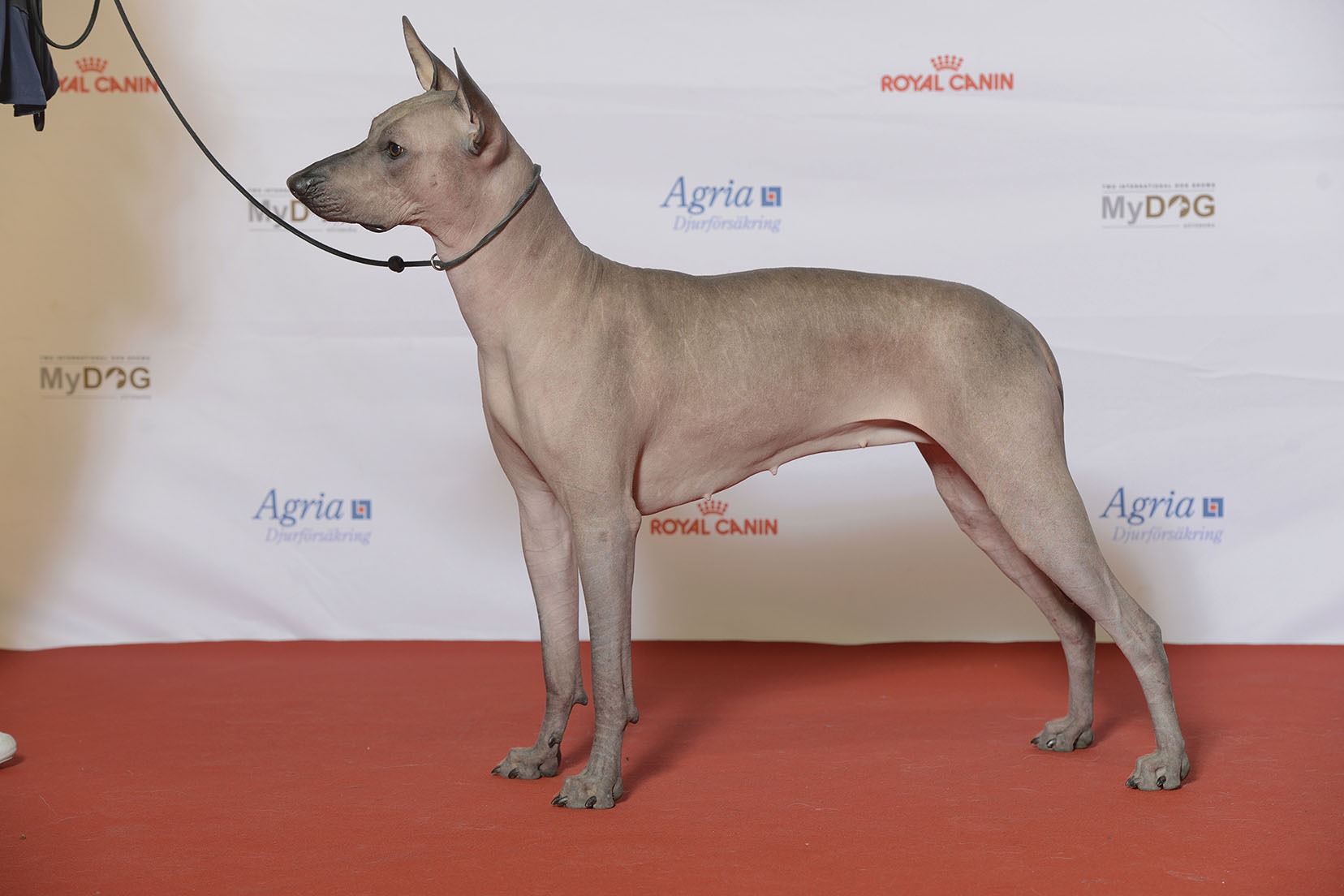
About the Mexican Hairless (Intermediate)
The Xoloitzcuintle, or Mexican Hairless dog, is a breed steeped in antiquity and remains one of the world's most distinctive canine companions. Belonging to the Kennel Club Utility group, the Intermediate variety sits comfortably between the Miniature and the Standard sizes. To the Aztecs, they were sacred animals, believed to be created by the god Xolotl to guide the souls of the dead through the underworld. Today, they are prized for their loyalty, intelligence, and calm demeanour.
A fascinating aspect of the breed is that it exists in two distinct types: hairless and coated. Despite the name, both varieties can appear in the same litter due to the genetic traits of the breed. The hairless variant is often identified by its smooth, tough skin and characteristic wrinkles, whereas the coated variety displays a short, dense, and flat coat. For many, the hairless type is the quintessential Xolo, often presenting with certain dental abnormalities that are genetically linked to the hairless trait.
In terms of personality, the Intermediate Xolo is often described as a 'velcro' dog. They form incredibly strong bonds with their primary owners and are known for being wary of strangers. Though they possess a primitive hunting instinct, they are generally tranquil within the home environment, provided their physical and mental stimulation needs are met. They are alert and make excellent natural watchdogs without being unnecessarily vocal.
Quick Facts
* Kennel Club Group: Utility
* Origin: Mexico
* Alternative Name: Xoloitzcuintle (Xolo)
* Sizes: Miniature, Intermediate, and Standard
* Coat Types: Hairless (with potential tufts on head/tail) or Coated (short and flat)
* Temperament: Loyal, alert, calm, and intelligent
* Life Expectancy: 12–15 years
* Weight: Approximately 7–14 kg for the Intermediate variety
* Height: 36–45 cm at the withers
Training & Care Tips
The Intermediate Xolo is highly intelligent but can possess an independent streak. Training should begin early and focus on positive reinforcement techniques. They respond well to rewards such as treats and praise, but they can be sensitive to harsh corrections. Consistency is vital; because they are so clever, they will quickly learn how to manipulate situations if boundaries are not clearly defined.
Exercise requirements are moderate but essential. A brisk daily walk and an opportunity to play in a secure garden will keep an Intermediate Xolo happy. They are athletic and agile, often enjoying activities like agility or obedience trials. However, owners must be mindful of the weather. As a hairless breed, they are susceptible to the cold and will require a well-fitted woolly jumper or coat during British winters. Conversely, in the summer, their skin can burn, so high-quality pet-safe sunblock and limited exposure to direct midday sun are necessary.
Skin care is a primary consideration for the hairless variety. They do not require brushing, but they do need regular baths with gentle, pH-balanced shampoos to prevent blocked pores and acne. Applying a light, fragrance-free moisturiser after bathing can help keep their skin supple. The coated variety is much lower maintenance, requiring only a weekly brush to remove dead hair and keep the coat looking healthy.
Puppy Tips
When looking for a Mexican Hairless puppy, it is crucial to find a reputable breeder who understands the breed's unique genetics. Because hairless and coated puppies can be born in the same litter, you should decide which type best fits your lifestyle before visiting. Be prepared for the 'primitive' nature of a Xolo puppy; they are curious and can be mouthy, so providing plenty of appropriate chew toys is a must from day one.
Socialization is perhaps the most critical aspect of raising a Xolo puppy. Because they are naturally cautious of strangers, exposing them to a wide variety of people, sounds, and other dogs during their first few months is essential. This helps prevent the breed's natural wariness from turning into fear or reactivity as they mature. Early puppy training classes are highly recommended to help them build confidence in social settings.
Health
Generally, the Mexican Hairless is a robust and healthy breed with few of the congenital issues that plague more modern breeds. The most notable health characteristic for the hairless variety is their dentition. It is common and historically expected for hairless Xolos to be missing certain teeth, particularly premolars. This is a genetic link to the hairless gene and rarely affects their ability to eat. Coated Xolos usually have complete, normal dentition.
Like all breeds, they should be screened for common canine health issues. Responsible breeders will test for hip dysplasia and ensure the parents have clear eye certificates. Owners should also pay close attention to the skin. While they are a 'clean' breed, they can be prone to skin irritations or sebaceous cysts if their hygiene routine is neglected. Regular checks of the ears and nails are also necessary, as Xolos have quickly growing nails that require frequent trimming.
Advice for Owners
Owning an Intermediate Mexican Hairless is a unique experience that requires a commitment to understanding their specific needs. They are not 'outside dogs'; their lack of fur and their deep desire for human companionship mean they must live indoors as part of the family. They are particularly suited to households where someone is home for part of the day, as they can suffer from separation anxiety if left alone for long periods.
In the UK, the Xolo remains a rare breed, meaning you may frequently be stopped by curious passers-by during walks. Be prepared to explain the breed's history and care requirements often. If you can provide a secure, warm environment and plenty of mental engagement, the Xolo will reward you with a level of devotion that is hard to match. They are elegant, quiet, and deeply intuitive dogs that make sophisticated additions to the right home.
---
Disclaimer
The information in this breed guide is compiled from multiple professional sources, including The Kennel Club, veterinary references, and breed-specific organisations. It is intended for general educational purposes only and is not a substitute for advice from a qualified veterinarian or accredited breeder. Always consult a professional regarding your individual dog's health, training, and care needs.