Grand Bleu de Gascogne Breed Guide: Facts, Tips & Health
Discover the Grand Bleu de Gascogne, a distinguished French scenthound known for its remarkable nose, melodic howl, and gentle temperament. The ultimate guide for prospective owners.
By By PetNetUK ·
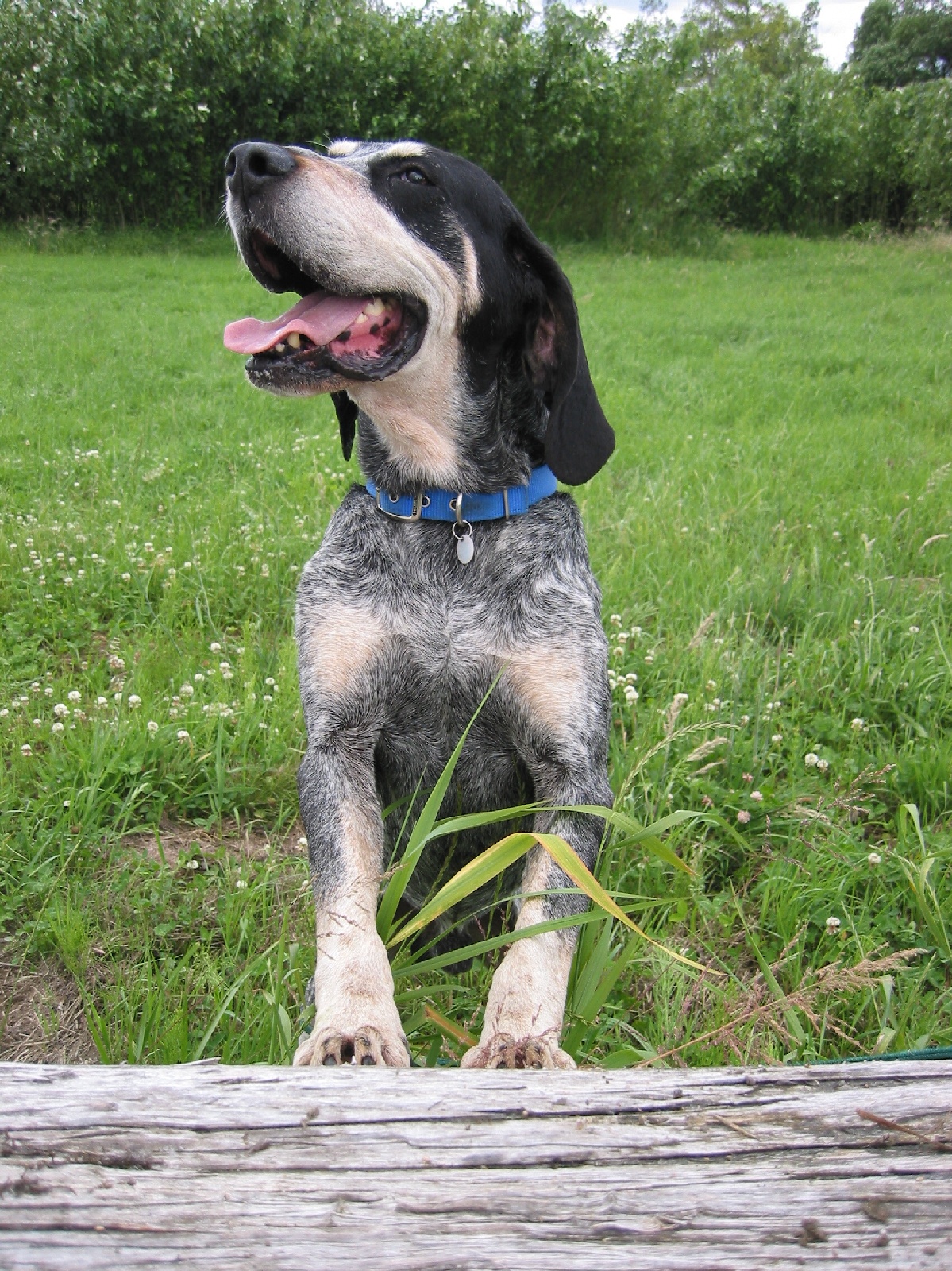
About the Grand Bleu de Gascogne
The Grand Bleu de Gascogne is a breed of unparalleled pedigree, hailing from the rugged regions of Southwest France. As a quintessential scenthound, this breed is the descendant of a very old type of large hunting dog, often linked to the ancient St. Hubert Hounds. Historically, they were prized for their ability to track large game such as deer, wolves, and wild boar across challenging terrain. Their name, 'Grand Bleu', refers to both their impressive physical stature and the distinctive blue-mottled appearance of their coat, which gives them a unique, aristocratic look among the Hound group.
In terms of personality, the Grand Bleu de Gascogne is characterised by a calm, loyal, and somewhat steady temperament. While they are tenacious and tireless on the trail, they are surprisingly relaxed and affectionate within the home environment. They are pack animals by nature, meaning they generally get along well with other dogs, though their strong hunting instincts mean they may view smaller pets as prey. For a family prepared for their size and vocal nature, they make dignified and devoted companions.
Quick Facts
* Kennel Club Group: Hound
* Size: Large (typically 65cm to 72cm at the shoulder)
* Weight: 35kg to 50kg
* Lifespan: 10 to 12 years
* Coat: Short and dense; blue-mottled with black patches and tan markings
* Temperament: Docile, courageous, and deeply loyal
* Exercise Needs: High; requires long daily walks and mental stimulation
* Vocalisation: Highly melodic, loud 'baying' bark
Training & Care Tips
Training a Grand Bleu de Gascogne requires patience and a firm but gentle hand. As scenthounds, they are notorious for 'selective hearing' when they pick up an interesting scent. Traditional obedience training is essential from an early age, but owners should be aware that their instinct to follow a trail will often override a recall command. For this reason, it is highly recommended to keep them on a lead in unenclosed public spaces or to use a long training line during exercise.
In terms of general care, their grooming requirements are relatively low. Their short coat needs only a weekly brush with a rubber mitt to remove loose hair and keep the skin healthy. However, their long, pendulous ears require regular attention. Because these ears can trap moisture and debris, they should be checked and cleaned weekly to prevent infections. Regular nail trimming and dental care are also vital to maintain their overall health and mobility.
Puppy Tips
When bringing a Grand Bleu de Gascogne puppy home, socialisation is the most critical factor. Exposing them to a variety of people, environments, and other animals during the first few months will help ensure they grow into a well-adjusted adult. Because they grow into very large dogs, early lead training is essential; teaching them not to pull while they are still small will save a great deal of physical strain once they reach their full weight of 40kg or more.
Prospective owners should also be prepared for the 'hound howl'. Even as puppies, this breed is vocal. While you can work on 'quiet' commands, baying is a natural part of their communication. Providing plenty of chew toys and puzzle feeders can help keep a puppy’s mind occupied, reducing the likelihood of destructive behaviour born from boredom. Given their size, it is also important to monitor their growth and avoid over-exercising them on hard surfaces, which can put undue stress on developing joints.
Health
Like many large breeds, the Grand Bleu de Gascogne is generally hardy but can be prone to certain health conditions. Gastric Torsion, commonly known as bloat, is a significant concern for deep-chested breeds. Owners should feed smaller, frequent meals and avoid vigorous exercise immediately before or after eating to mitigate this risk. Awareness of the signs of bloat, such as a distended abdomen or unproductive retching, is vital for every owner.
Joint health is another area of focus. Hip and elbow dysplasia can occur, so ensuring you purchase a puppy from a breeder who performs health screenings on the parents is essential. Maintaining a healthy weight throughout their life will also reduce the pressure on their joints. Regular veterinary check-ups will help catch any potential issues early, ensuring your hound remains comfortable and active well into their senior years.
Advice for Owners
The Grand Bleu de Gascogne is best suited to a rural or semi-rural environment where they have access to a large, securely fenced garden. They are not ideal for flat living, partly due to their size but primarily because of their loud, resonant voice which may disturb neighbours. If you enjoy long walks through the British countryside and are looking for a dog with a noble presence and a gentle soul, this breed could be an excellent fit.
Before committing, consider whether you have the time to dedicate to their exercise needs. They are not 'lap dogs' and require significant physical activity to remain happy. However, for those who appreciate the unique charm of a classic scenthound, the Grand Bleu de Gascogne offers a level of devotion and character that is hard to match. They are a piece of living history, and owning one is a rewarding experience for any dedicated hound enthusiast.
---
Disclaimer
The information in this breed guide is compiled from multiple professional sources, including The Kennel Club, veterinary references, and breed-specific organisations. It is intended for general educational purposes only and is not a substitute for advice from a qualified veterinarian or accredited breeder. Always consult a professional regarding your individual dog's health, training, and care needs.