Pekingese Breed Guide: Facts, Tips & Health
Discover the royal history and unique charm of the Pekingese, the 'Lion Dog' of China. Learn about their regal temperament, specific care needs, and life as a devoted toy companion.
By By PetNetUK ·
About the Pekingese
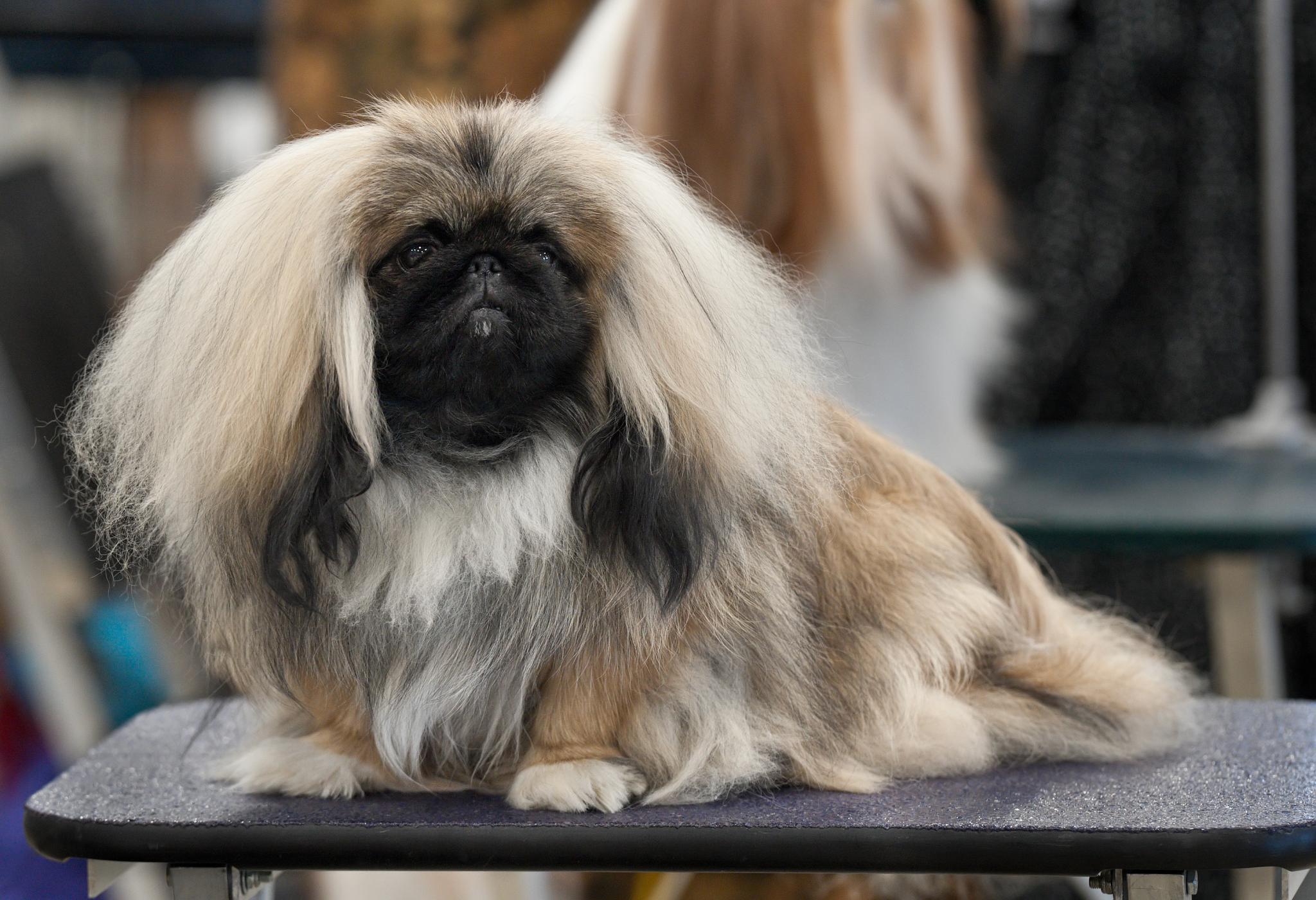
The Pekingese is a breed steeped in ancient history, once the exclusive companion of the Chinese Imperial family. Originating in China, these dogs were so revered that they lived within the confines of the Forbidden City in Beijing (formerly known as Peking). Legend suggests they were created by the Buddha, who supposedly shrunk a lion down to dog size while retaining its' courage and dignity. Today, they are recognised by the Kennel Club in the Toy group, cherished for their lion-like mane and steadfast loyalty.
Characteristically, the Pekingese is an independent and self-assured dog. Unlike many other toy breeds that may be described as 'yappy' or overly energetic, the Pekingese often carries itself with a quiet, regal composure. They are deeply affectionate with their owners but can be wary or aloof with strangers, making them excellent little watchdogs for a flat or suburban home. Their distinctive 'rolling' gait and flat face (brachycephalic) are hallmarks of the breed that require understanding from any prospective owner.
Despite their small stature, they possess a surprisingly sturdy build and a big personality. They are not dogs that require hours of vigorous exercise, as they were bred for the sedentary lifestyle of a palace companion. This makes them particularly well-suited to senior owners or those living in smaller urban apartments, provided they are kept engaged with mental stimulation and short, frequent walks.
Quick Facts
* Origin: China (Imperial Court)
* Kennel Club Group: Toy
* Size: Small (typically 3kg to 5kg)
* Lifespan: 12 to 15 years
* Coat Type: Long, straight, and profuse double coat with a noticeable mane around the neck.
* Temperament: Affectionate, loyal, opinionated, and courageous.
* Exercise Needs: Low to moderate; 20-30 minutes of walking per day is usually sufficient.
* Grooming: High; requires daily brushing to prevent matting and regular cleaning of facial folds.
Training & Care Tips
Training a Pekingese requires patience and a firm but gentle hand. Because of their royal heritage, they can be somewhat stubborn and may believe they are the ones in charge. Positive reinforcement is the only effective method; they do not respond well to harsh corrections, which may cause them to become defensive or shut down. Short, engaging training sessions with high-value treats are far more effective than long, repetitive drills.
Socialisation is vital from a young age. Because the Pekingese can be naturally wary of strangers and other dogs, exposure to various environments, sounds, and people during their first few months is essential. This ensures that their natural protective instinct does not evolve into unwarranted aggression or anxiety in social situations. They generally get along well with other pets, though they may try to assert dominance over larger dogs due to their fearless nature.
Care must be taken during the warmer months. As a brachycephalic breed with a thick double coat, they are highly susceptible to overheating. During a British summer, it is best to walk them in the early morning or late evening when temperatures are lower. Ensure they always have access to shade and cool water, and never leave them in a car, even for a few minutes.
Puppy Tips
When looking for a Pekingese puppy, it is imperative to find a reputable Kennel Club Assured Breeder. Because of the breed's unique physical traits, responsible breeding is essential to ensure the health of the litter. Ask to see the mother and, if possible, the father, to gauge the temperament and physical soundness of the line. A healthy puppy should have clear eyes, clean ears, and be relatively active, though they are naturally less boisterous than some other breeds.
Puppy-proofing your home is the next step. Despite their stout appearance, Pekingese puppies are fragile. Avoid letting them jump off high sofas or beds, as this can put unnecessary strain on their spine and joints. Use dog ramps if necessary. Also, ensure that any small gaps in garden fencing are secured, as these curious pups can easily squeeze into tight spaces.
Early grooming habituation is a gift to both the owner and the dog. Start brushing your puppy for a few minutes every day, even before their adult coat fully comes in. Handle their paws, check their ears, and gently wipe their facial folds. This desensitises them to being handled, making professional grooming sessions or veterinary exams much less stressful as they grow older.
Health
Like many pedigree breeds, the Pekingese is prone to certain health conditions linked to its physical structure. The most prominent concern is Brachycephalic Obstructive Airway Syndrome (BOAS). Their shortened muzzles can lead to breathing difficulties, particularly in humid weather or during over-exertion. Owners should monitor for excessive panting or noisy breathing and consult a vet if these symptoms become severe.
Eye health is another priority. Because their eyes are large and slightly prominent, they are more at risk of scratches, ulcers, and infections. Conditions such as Progressive Retinal Atrophy (PRA) and dry eye (Keratoconjunctivitis sicca) are also seen in the breed. Regular veterinary check-ups are essential to catch any ocular issues early before they impact the dog's quality of life.
Finally, the Pekingese's long back makes them susceptible to Intervertebral Disc Disease (IVDD). Maintaining a healthy weight is the best way to prevent this, as excess body fat puts extra pressure on the spine. Regular, low-impact exercise and the use of harnesses instead of collars (to reduce neck strain) are highly recommended by breed specialists.
Advice for Owners
Owning a Pekingese is a significant commitment, primarily due to their grooming requirements. Owners should be prepared to spend at least 15-20 minutes a day brushing the coat to prevent painful mats. Particular attention must be paid to the 'trousers' and the feathers on the legs. If you cannot commit to this level of maintenance, professional grooming every 4 to 6 weeks is a necessity to keep the coat manageable.
Facial hygiene is equally important. The folds of skin on a Pekingese's face can trap moisture and debris, leading to dermatitis or fungal infections. These should be wiped daily with a damp cloth or specialised pet wipes and then dried thoroughly. Keeping the area around the eyes clean will also help prevent tear staining and irritation.
In conclusion, the Pekingese is a dignified, loyal, and somewhat sensitive companion. They are not suited to homes with very young children who might be too rough, but they excel as devoted partners for individuals or families with older children who understand how to respect a dog's boundaries. If you are looking for a dog with a massive heart, a touch of royal arrogance, and a preference for the sofa over the hiking trail, the Pekingese may be the perfect fit for your home.
---
Disclaimer
The information in this breed guide is compiled from multiple professional sources, including The Kennel Club, veterinary references, and breed-specific organisations. It is intended for general educational purposes only and is not a substitute for advice from a qualified veterinarian or accredited breeder. Always consult a professional regarding your individual dog's health, training, and care needs.