Dachshund (Wire-Haired) Breed Guide: Facts, Tips & Health
With their distinctive wiry coats and charming personas, the Wire-Haired Dachshund is a spirited hound that brings endless character and loyalty to any UK household.
By By PetNetUK ·
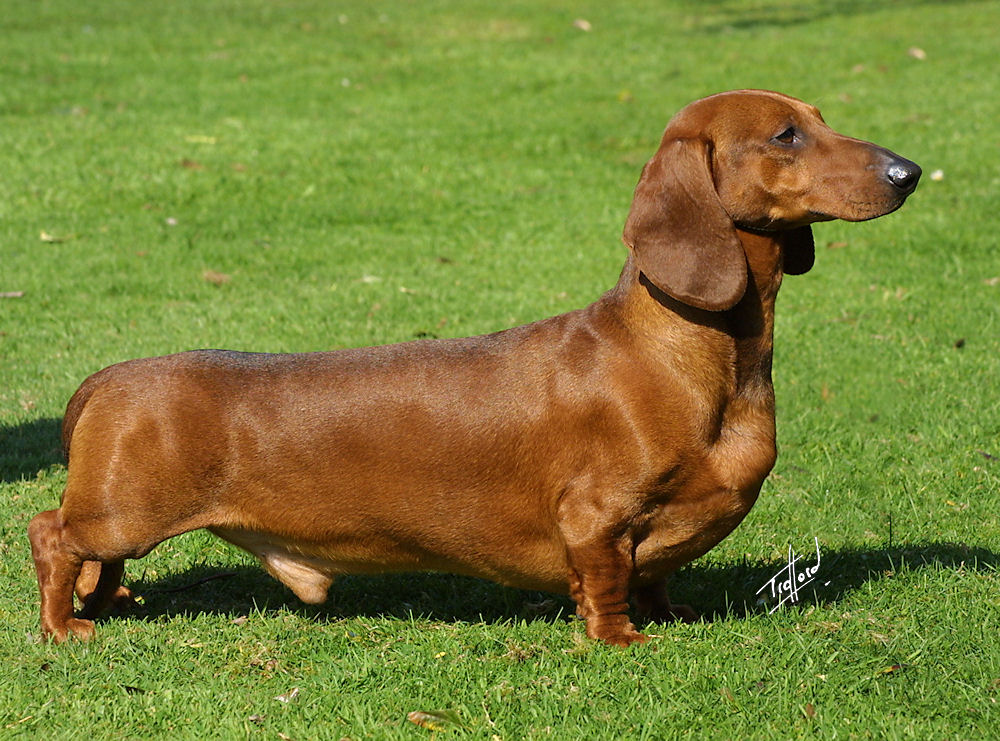
About the Dachshund (Wire-Haired)
The Dachshund, affectionately known in its native Germany as the Dackel or Teckel, is a unique hound-type dog celebrated for its distinctive silhouette. Characterised by a long body and short legs, this breed was historically developed to hunt badgers and other burrow-dwelling animals. While the breed resides within the Kennel Club’s Hound group, the Wire-Haired variety is often noted for having a personality that leans slightly towards that of a terrier, likely due to the infusion of terrier blood during the development of its coat type.
The Wire-Haired Dachshund is immediately recognisable by its rough, weather-resistant outer coat, complete with a soft undercoat, a bushy beard, and prominent eyebrows. These features give the dog a remarkably expressive face, often described as having an old, wise appearance. They are intelligent, courageous, and occasionally stubborn dogs that possess a surprisingly loud bark for their size, making them excellent watchdogs for the home.
In a domestic setting, these dogs are loyal companions that bond closely with their families. They are active and inquisitive, requiring a good amount of mental stimulation alongside their physical exercise. While they enjoy a comfortable spot on the sofa, their hunting ancestry means they are always ready for an adventure in the garden or across the local countryside.
Quick Facts
- Kennel Club Group: Hound
- Size: Available in two sizes: Standard (9–12kg) and Miniature (ideally 4.5kg–5kg).
- Lifespan: Generally 12 to 16 years.
- Coat Type: Double-coated with a hard, wiry topcoat and a soft undercoat.
- Colours: Most commonly Wild Boar, but also available in Black and Tan, Red, and Chocolate and Tan.
- Temperament: Energetic, brave, and independent with a playful streak.
- Exercise Needs: Moderate. Standards require about an hour daily, while Miniatures need around 30 minutes.
Training & Care Tips
Training a Wire-Haired Dachshund requires patience and consistency. Because they were bred to work independently underground, they can be somewhat headstrong. Positive reinforcement is the most effective method; use high-value treats and praise to keep them engaged. It is important to start recall training early, as their scent-hound instincts may lead them to wander off if they catch an interesting trail during a walk.
Socialisation is vital from a young age to ensure they grow into well-adjusted adults. Introduce them to various people, dogs, and environments early on. While they are generally friendly, their 'terrier-like' attitude means they can be bold around larger dogs, so teaching them polite manners is essential for peaceful walks in the park.
In terms of grooming, the Wire-Haired coat is relatively low-shedding but does require specific maintenance. They should be brushed weekly to remove loose hair. Twice a year, the coat usually needs 'hand-stripping'—a process where dead hair is plucked out by hand to allow the new coat to grow through. This preserves the texture and colour of the wire coat, which can become soft and dull if clipped with electric shears.
Puppy Tips
When looking for a Wire-Haired Dachshund puppy, it is imperative to source a reputable breeder who prioritises health and temperament. Look for breeders who are part of the Kennel Club Assured Breeders scheme. Always ask to see the mother and, if possible, the father, to gauge their temperament and physical condition. A healthy puppy should be curious and alert, not shy or lethargic.
Puppy-proofing your home is a priority for this breed. Due to their long spines, you must ensure that your garden is secure and that they cannot jump off high furniture or steep steps. It is often recommended to use dog ramps for sofas and beds to prevent unnecessary strain on their backs during their formative months. Early crate training can also help with housebreaking and provide a safe space for your puppy to rest.
Health
The most significant health consideration for any Dachshund is Intervertebral Disc Disease (IVDD). Their elongated spines are susceptible to damage, which can lead to pain or paralysis. Owners can mitigate this risk by maintaining the dog at a healthy weight to reduce spinal pressure and by discouraging jumping from heights or excessive use of stairs.
Wire-Haired Dachshunds are generally a hardy breed, but like all pedigree dogs, they can be prone to certain hereditary conditions. Progressive Retinal Atrophy (PRA) is a concern in some lines, particularly in Miniatures. Reputable breeders will screen their breeding stock for these conditions. Regular dental check-ups are also important, as small breeds can be prone to tartar build-up and gum disease.
Advice for Owners
Owning a Wire-Haired Dachshund is a rewarding experience, but it requires a commitment to their specific physical needs. Weight management is perhaps the single most important task for an owner. Even a small amount of excess weight can put a dangerous strain on their back, so monitor their calorie intake closely and limit treats to training sessions only.
Because they have a high prey drive, it is advisable to keep them on a lead in unenclosed areas until you are entirely confident in their recall. They are enthusiastic diggers by nature; if you value your flowerbeds, you might consider providing a designated digging pit in the garden where they can satisfy this natural instinct without causing havoc.
Finally, remember that these are 'big dogs in small bodies'. They do not see themselves as small pets and will protect their territory and family with vigour. Providing them with plenty of mental enrichment, such as scent games or puzzle toys, will keep their sharp minds occupied and ensure they remain happy, well-behaved members of the household.
---
Disclaimer
The information in this breed guide is compiled from multiple professional sources, including The Kennel Club, veterinary references, and breed-specific organisations. It is intended for general educational purposes only and is not a substitute for advice from a qualified veterinarian or accredited breeder. Always consult a professional regarding your individual dog's health, training, and care needs.