Field Spaniel Breed Guide: Facts, Tips & Health
Discover the Field Spaniel, a gentle and handsome vulnerable native breed. This guide explores their history as show and field dogs, their unique temperament, and essential care tips.
By By PetNetUK ·
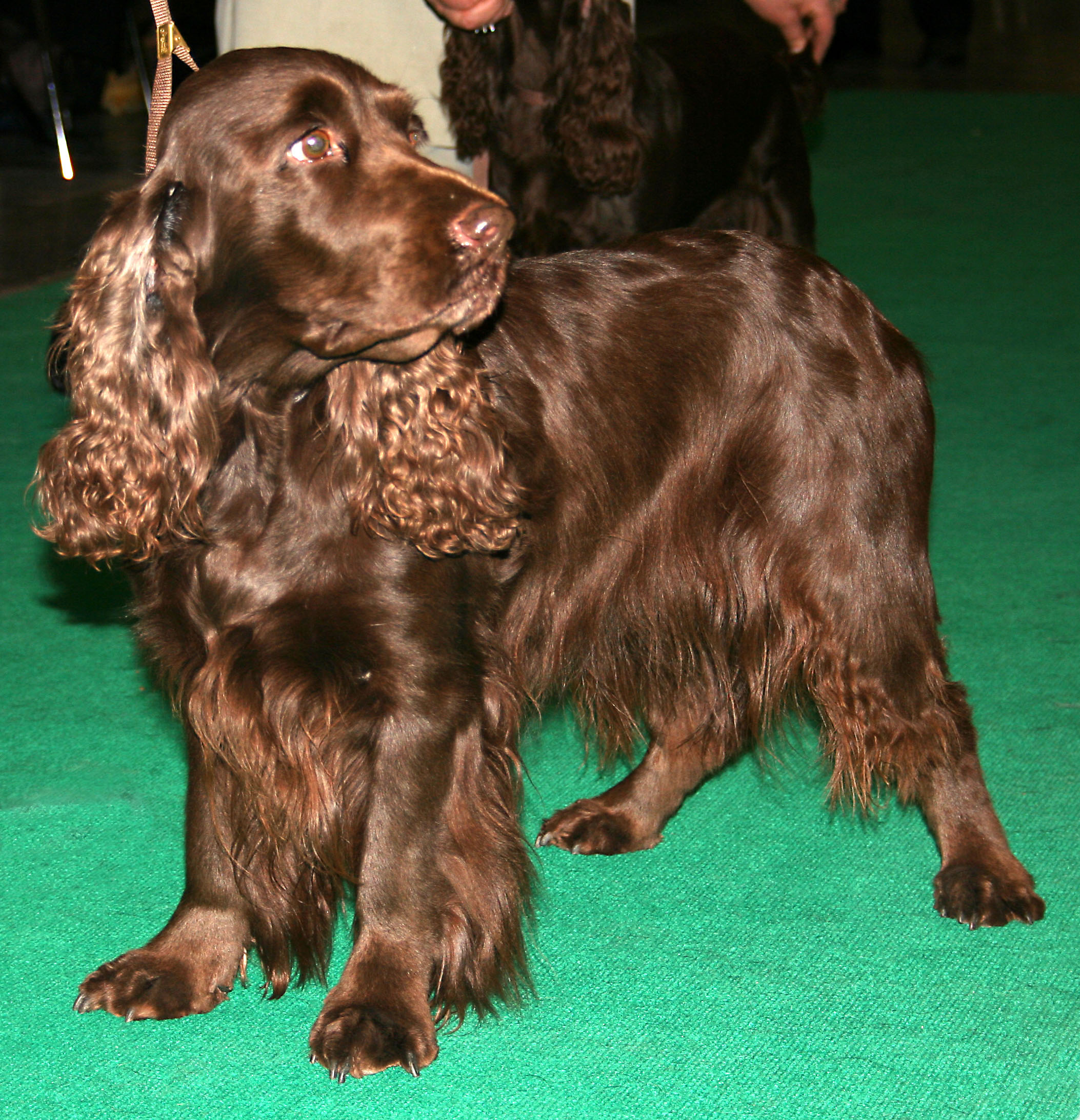
About the Field Spaniel
The Field Spaniel is a medium-sized gundog with a fascinating and complex history. Originally developed in the late 19th and early 20th centuries, the breed was initially bred to be a specialized all-black show dog. However, during this period, they fell out of favour with the sporting community as their heavy builds and short legs made them unsuitable for the rigours of hunt work. Recognising that the breed was losing its functional purpose, breeders in the mid-20th century worked to redevelop the Field Spaniel into a more athletic, longer-legged dog capable of navigating thick cover and flushing game.
Today, the Field Spaniel is known for its noble expression and balanced proportions. They are remarkably more relaxed in the home than some of their more frantic spaniel cousins, such as the English Springer. They possess a sensitive and docile nature, often forging an exceptionally strong bond with their owners. Whilst they are capable workers, they have a reputation for being 'thinking' dogs, often assessing a situation before acting with a level-headed approach.
Despite their many qualities, the Field Spaniel remains one of the UK’s most endangered canine treasures. The Kennel Club currently classifies them as a Vulnerable Native Breed, meaning that fewer than 300 puppies are registered annually. Maintaining the breed's future relies on dedicated enthusiasts who appreciate their unique blend of show-ring elegance and field-work stamina.
Quick Facts
* Kennel Club Group: Gundog
* Size: Medium (typically 46cm at the withers)
* Weight: 18kg to 25kg
* Lifespan: 11 to 14 years
* Coat Type: Single coat, moderately long, flat or slightly wavy, with silky feathering on the chest, belly, and legs.
* Common Colours: Black, liver, or roan; tan markings are also frequently seen.
* Temperament: Docile, sensitive, independent yet affectionate, and generally less excitable than other spaniel breeds.
Training & Care Tips
Field Spaniels are intelligent dogs, but they do not always respond well to the repetitive or harsh training methods used for more submissive breeds. Because they are sensitive, they require a patient, positive-reinforcement approach. Harsh corrections can cause a Field Spaniel to shut down or become wary. They thrive when they feel they are part of a partnership, specifically responding well to food-based rewards and consistent, gentle encouragement.
In terms of exercise, these dogs are tireless when outdoors. They require at least 60 to 90 minutes of active exercise daily, preferably including off-lead time in a secure area where they can put their nose to the ground. Mental stimulation is equally important; scent games, tracking, and puzzle toys are excellent ways to keep their sharp minds occupied. Without sufficient physical and mental outlets, they can become bored and potentially destructive within the home.
Grooming a Field Spaniel is a significant commitment. Their silky coat can easily become matted, especially the feathering on the legs and ears. Weekly brushing is essential, with more frequent attention required after walks through long grass or muddy woodland. Their long, pendant ears are prone to trapping moisture and debris, so regular ear cleaning is necessary to prevent infections. Professional trimming every few months can help keep the coat manageable and tidy.
Puppy Tips
When looking for a Field Spaniel puppy, your primary challenge will be availability. Due to their status as a Vulnerable Native Breed, you may need to join a waiting list for several months or even years. It is vital to find a reputable breeder who prioritises health and temperament over quantity. Ensure that the breeder is a member of the breed club and provides all relevant health certificates for the parents.
Socialisation is paramount for Field Spaniel puppies. While they are naturally gentle, they can be somewhat reserved or cautious with strangers. Exposing them to a wide variety of people, sounds, and environments before the age of 16 weeks will help them grow into confident adults. Early crate training is also recommended, as it provides them with a safe retreat when they need to rest and helps with house training.
During their first year, be mindful of their physical development. As a medium-sized breed with a history of joint health concerns, over-exercising a puppy can lead to long-term skeletal issues. Short, frequent walks and controlled play are better than long hikes until their growth plates have finished closing at around 12 to 18 months of age.
Health
Field Spaniels are generally a hardy breed, but like all purebred dogs, they are susceptible to certain hereditary conditions. Responsible breeders will test their breeding stock for Hip Dysplasia, a condition where the hip joint does not develop correctly. Buyers should always ask for the hip scores of both parents before committing to a puppy.
Eye conditions, including Progressive Retinal Atrophy (PRA) and cataracts, are also known to occur within the breed. DNA testing and annual eye examinations are the standard practice for maintaining the health of the population. Furthermore, some lines have shown a predisposition to autoimmune thyroiditis, so thyroid testing is often recommended if a dog shows signs of lethargy or coat changes.
Because of their deep chests and active nature, owners should be aware of the minor risk of gastric torsion (bloat), although this is less common here than in larger breeds. Ensuring smaller, frequent meals and avoiding vigorous exercise immediately after eating can help mitigate this risk. Maintaining a healthy weight is also crucial, as extra pounds can put unnecessary strain on their joints.
Advice for Owners
Living with a Field Spaniel is a rewarding experience for those who appreciate a dog with a 'soulful' character. They are best suited to households where someone is home for a large part of the day, as they do not enjoy being left alone for extended periods. They are excellent family dogs and generally get on well with children and other pets, provided they are treated with respect.
One of the most important things to remember as an owner is that the Field Spaniel is a scent hound at heart. Once they have picked up a trail, their focus can become absolute, which often leads to 'selective hearing' regarding recall. Training a solid recall from a young age is vital, but many owners choose to keep them on a long training lead in unenclosed areas for safety.
Finally, joining a community of Field Spaniel owners can be incredibly helpful. Since the breed is rare, you may find that local vets or trainers are unfamiliar with their specific traits. Connecting with the breed club provides access to a wealth of knowledge on grooming, health, and local meet-ups. By choosing a Field Spaniel, you are not just getting a pet; you are helping to preserve a classic piece of British heritage.
---
Disclaimer
The information in this breed guide is compiled from multiple professional sources, including The Kennel Club, veterinary references, and breed-specific organisations. It is intended for general educational purposes only and is not a substitute for advice from a qualified veterinarian or accredited breeder. Always consult a professional regarding your individual dog's health, training, and care needs.