Maltese Breed Guide: Facts, Tips & Health
The Maltese is a charming, ancient toy breed known for its silky white coat and spirited personality. Discover how to care for this elegant companion in our comprehensive guide.
By By PetNetUK ·
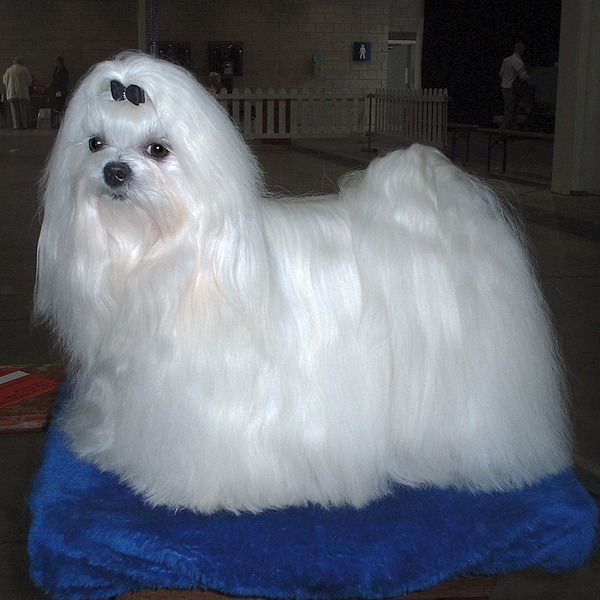
About the Maltese
The Maltese is one of the most distinguished members of the Toy group, cherished for centuries as a premier lapdog. While historically associated with the island of Malta, the breed's origins are deeply rooted in the Mediterranean region, particularly Italy. This ancient variety of dwarf, white-coated dog is believed by many experts, including Stanley Coren, to be among the first breeds ever kept solely for human companionship. Genetic research links the modern Maltese to other popular breeds such as the Bichon Frise, Bolognese, and Havanese.
Despite their refined appearance, the history of the Maltese suggests a robust lineage. Some breed historians, such as Nicholas Cutillo, suggest that the breed may have descended from spitz-type canines. The ancient variety likely resembled early Pomeranians, featuring shorter snouts and pricked ears. Over the centuries, the breed was refined into the elegant, floor-length-coated dog we recognise today. They have long been the favourites of royalty and aristocrats, appearing in art and literature as symbols of fidelity and luxury.
Today, the Maltese is celebrated for its affectionate and lively temperament. They are much more than just ornamental dogs; they are intelligent, alert, and surprisingly hardy for their size. Whether living in a city flat or a country house, the Maltese adapts well to various lifestyles, provided they are given ample attention and love from their human companions.
Quick Facts
* Kennel Club Group: Toy
* Size: Small (typically 3–4kg)
* Lifespan: 12–15 years
* Coat Type: Long, silky, white, and single-layered (low shedding)
* Temperament: Affectionate, docile, and fearless
* Exercise Needs: Low to moderate (around 30 minutes daily)
* Origin: Italy / Mediterranean Basin
Training & Care Tips
Training a Maltese requires a gentle but consistent touch. These dogs are highly intelligent and eager to please, but they can be sensitive to harsh corrections. Positive reinforcement, using treats and praise, works best to keep them engaged. Because of their small size, they can sometimes develop 'small dog syndrome' if not properly socialised, so it is vital to expose them to different people, sounds, and environments from an early age.
House-training can sometimes be a challenge with toy breeds. Consistency is key; establish a strict routine and reward successful outdoor trips immediately. Due to their intelligence, many Maltese excel in obedience and agility trials, which provide excellent mental stimulation. Keeping their minds active is just as important as physical exercise to prevent stereotypical behaviours or excessive barking.
In terms of grooming, the Maltese is high-maintenance. Their hair is similar to human hair and grows continuously. To prevent matting, daily brushing is essential if you keep their coat long. Many owners opt for a 'puppy cut' or 'teddy bear clip' to make daily maintenance more manageable. Frequent bathing—roughly every two to three weeks—is necessary to keep the white coat pristine. Additionally, tear staining is common in the breed, so the area around the eyes should be cleaned daily with a damp cloth.
Puppy Tips
Bringing a Maltese puppy home is an exciting time, but it requires preparation. Their diminutive size makes them quite fragile as infants. It is important to supervise them around children and larger pets to prevent accidental injury. Ensure your home is 'puppy-proofed' by removing small objects they could swallow and securing any low-level electrical cords.
Crate training can be a helpful tool for both house-training and ensuring your puppy has a safe space to retreat to when they are tired. Start with short periods and make the crate a positive environment with soft bedding and toys. Early socialisation is paramount; once they are fully vaccinated, take them to puppy classes to help them develop into confident adult dogs.
Feeding a Maltese puppy should involve high-quality food designed for small breeds. Because they have tiny stomachs, they may require three to four small meals a day to maintain their blood sugar levels. Avoid overfeeding, as excessive weight gain can put unnecessary strain on their delicate joints as they grow.
Health
Generally, the Maltese is a healthy and long-lived breed. However, like all purebred dogs, they are prone to certain genetic conditions. One common issue is Patellar Luxation, where the kneecap slips out of place. Regular vet check-ups can help monitor joint health, and keeping your dog at a healthy weight will reduce the risk of mobility issues.
Dental health is a significant concern for toy breeds. Because they have small mouths, their teeth can become crowded, leading to a build-up of plaque and tartar. Owners should aim to brush their dog's teeth daily using pet-safe toothpaste. Professional dental cleanings by a vet may also be required throughout their life to prevent periodontal disease.
Other conditions occasionally seen in the breed include Portosystemic Shunt (a liver issue) and White Dog Shaker Syndrome. The latter is a condition characterized by full-body tremors, which, while alarming, is often treatable with medication. Always ensure you purchase your puppy from a Kennel Club Assured Breeder who performs the necessary health screenings on the parent dogs.
Advice for Owners
Living with a Maltese is a joyful experience, but it requires a commitment to their social needs. These are true companion dogs who do not like being left alone for long periods. If you work long hours away from home, the Maltese may not be the ideal breed for you unless you can arrange for a pet sitter or doggy daycare. Separation anxiety can lead to destructive chewing or vocalisation if they feel abandoned.
Exercise for a Maltese can be achieved through a combination of short walks and indoor play. They are surprisingly energetic and enjoy games of fetch or hide-and-seek. Despite their small stature, they should be treated like 'real dogs' rather than fashion accessories. Encouraging them to walk on their own rather than being carried everywhere helps build confidence and physical strength.
Finally, pay close attention to their environment. Maltese are sensitive to extreme temperatures. In the winter, they may require a jumper or coat for walks, as their single-layered coat provides little insulation against the British cold. Conversely, in the summer, ensure they have plenty of shade and water to prevent overheating. With the right care and attention, your Maltese will be a devoted and charming companion for many years.
---
Disclaimer
The information in this breed guide is compiled from multiple professional sources, including The Kennel Club, veterinary references, and breed-specific organisations. It is intended for general educational purposes only and is not a substitute for advice from a qualified veterinarian or accredited breeder. Always consult a professional regarding your individual dog's health, training, and care needs.