Small Münsterländer Breed Guide: Facts, Tips & Health
Discover the versatile Small Münsterländer, a brilliant gundog from Germany that excels in the field and serves as a loyal, active companion for energetic UK households.
By By PetNetUK ·
About the Small Münsterländer
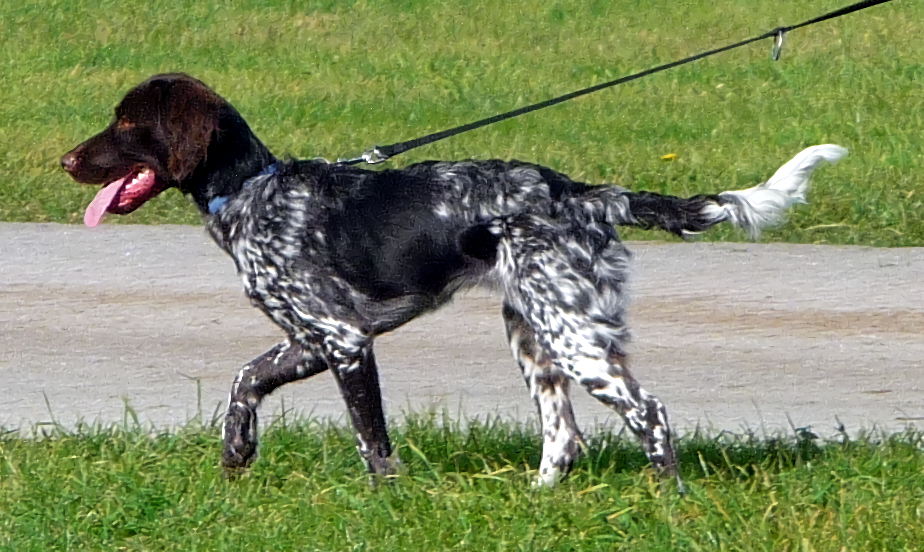
The Small Münsterländer is a distinguished versatile gundog with its origins rooted in the Münster region of Germany. Despite the name, it is important for prospective owners to note that this breed is not simply a smaller version of the Large Münsterländer. They were developed from different breeding stock entirely; while the Large Münsterländer shares ancestry with the German Longhaired Pointer, the Small Münsterländer is more closely related to the Epagneul Français and the Drentsche Patrijshond. In the UK, they are classified within the Gundog group by The Kennel Club, valued for their multi-purpose abilities in hunting, pointing, and retrieving.
Physically, the breed bears a striking resemblance to both spaniels and setters, possessing a balanced, elegant frame and a beautiful feathered coat. They were bred to be 'all-rounders,' capable of working across varied terrain including thick woodland, open fields, and water. This versatility makes them world-class hunting companions, but it also means they possess a high level of intelligence and an inherent need for purposeful activity. They are medium-sized dogs with an alert and friendly expression, typically sporting a brown and white or brown roan coat.
In a domestic setting, the Small Münsterländer is known for being incredibly affectionate and people-oriented. They tend to form very strong bonds with their families and are often described as 'velcro dogs' because they prefer to be in the same room as their owners at all times. While they are exceptional workers, they transition well into the home environment provided their physical and mental requirements are met. They are generally good with children and other dogs, making them an excellent choice for active families who enjoy the Great British outdoors.
Quick Facts
* Kennel Club Group: Gundog
* Size: Medium (typically 50–56 cm for males, 52–54 cm for females)
* Weight: Approximately 18–27 kg
* Coat Type: Medium length, dense, and flat with moderate feathering
* Colours: Brown and white or brown roan (with brown patches)
* Lifespan: 12–15 years
* Temperament: Intelligent, versatile, spirited, and social
* Origin: Münster, Germany
Training & Care Tips
Training a Small Münsterländer is often a rewarding experience due to their high intelligence and eagerness to please. However, because they are bred to work independently in the field, they can occasionally show a stubborn streak if they do not see a clear purpose to their tasks. Positive reinforcement and reward-based training are essential. Early socialisation is crucial to ensure they grow into well-rounded adults, particularly regarding their high prey drive, which may lead them to chase smaller animals if not properly managed from a young age.
Physical exercise is non-negotiable for this breed. A simple walk around the local park on a lead will rarely suffice. They require at least 90 minutes of vigorous activity daily, ideally involving off-lead running, swimming, or scent work. Because they are natural retrievers and pointers, engaging them in 'search and find' games or agility training can help burn off excess energy. Without a proper outlet for their stamina, they may develop destructive habits within the home.
Regarding grooming, the Small Münsterländer has a relatively low-maintenance coat when compared to some other long-haired breeds. A thorough brush twice a week will help manage shedding and prevent mats in the feathered areas on the legs and tail. Because they are fond of water and thick cover, owners should check their ears and paws regularly for debris or signs of infection. Professional grooming is rarely required, but occasional trimming of the hair between the pads can help keep them comfortable.
Puppy Tips
When bringing a Small Münsterländer puppy home, the first priority is establishing a routine. These puppies are exceptionally bright and will begin learning the 'rules' of the house from day one. Crate training is often recommended to provide them with a safe space and to assist with housebreaking. Ensure you have a variety of chew toys available, as their inquisitive nature means they will explore the world with their mouths, often targeting shoes or furniture if not redirected.
Socialisation should begin as soon as your vet gives the go-ahead regarding vaccinations. Expose your puppy to different sights, sounds, and people to build their confidence. Since they are a gundog breed, they can be sensitive to loud noises if not acclimatised early. Gentle exposure to the sounds of traffic, whistles, and even household appliances will help ensure they remain stable and calm as they mature.
It is also wise to start 'whistle training' or a strong recall command as early as possible. Their instinct to follow a scent is powerful, and a reliable recall is the most important tool you can have for off-lead exercise in the UK countryside. Keep early training sessions short, fun, and frequent to account for their puppy-sized attention spans.
Health
The Small Münsterländer is generally a robust and healthy breed with few of the genetic issues that plague more common breeds. Their heritage as working dogs has ensured a focus on stamina and physical soundness. However, like all medium-to-large dogs, there are certain conditions that responsible breeders will screen for. Hip dysplasia is a primary concern, so ensure you ask for the hip scores of the parent dogs before committing to a puppy.
Their pendulous, feathered ears make them somewhat prone to ear infections, especially if they spend a lot of time swimming or running through damp undergrowth. Regular cleaning with a vet-approved solution can prevent wax build-up and irritation. Additionally, some lines may be prone to certain skin allergies or eye conditions like entropion, though these are relatively rare within the breed.
Maintaining a healthy weight is vital for the Small Münsterländer’s long-term joint health. Because they are so active, their caloric needs may fluctuate based on their activity levels. Owners should monitor their dog's body condition closely and adjust food portions accordingly. A high-quality diet rich in protein is generally recommended to support their muscular build and high energy levels.
Advice for Owners
The Small Münsterländer is not a breed for the sedentary owner. They flourish in households where they are treated as a partner in outdoor adventures. Whether you are an avid hiker, a fell runner, or involved in field sports, this dog will match your pace with enthusiasm. If you live in an urban environment without easy access to large green spaces, you will need to be particularly dedicated to providing enough mental stimulation through puzzle toys and training.
These dogs are highly social and do not thrive if left alone for long periods. They are best suited to homes where someone is present for much of the day, or where they can accompany their owners on daily tasks. Separation anxiety can become an issue if they feel isolated, leading to barking or chewing. Providing a 'job' for them to do, even if it is just carrying a ball or performing tricks for treats, helps keep their minds settled.
Finally, joining a local gundog club or working dog group can be an excellent way to tap into your dog's natural instincts without necessarily participating in live hunting. The Small Münsterländer loves to use its nose, and activities like man-trailing or competitive scent work provide the perfect outlet for their heritage. With the right balance of exercise, affection, and mental challenge, the Small Münsterländer is one of the most versatile and rewarding companions a UK dog owner could ask for.
---
Disclaimer
The information in this breed guide is compiled from multiple professional sources, including The Kennel Club, veterinary references, and breed-specific organisations. It is intended for general educational purposes only and is not a substitute for advice from a qualified veterinarian or accredited breeder. Always consult a professional regarding your individual dog's health, training, and care needs.